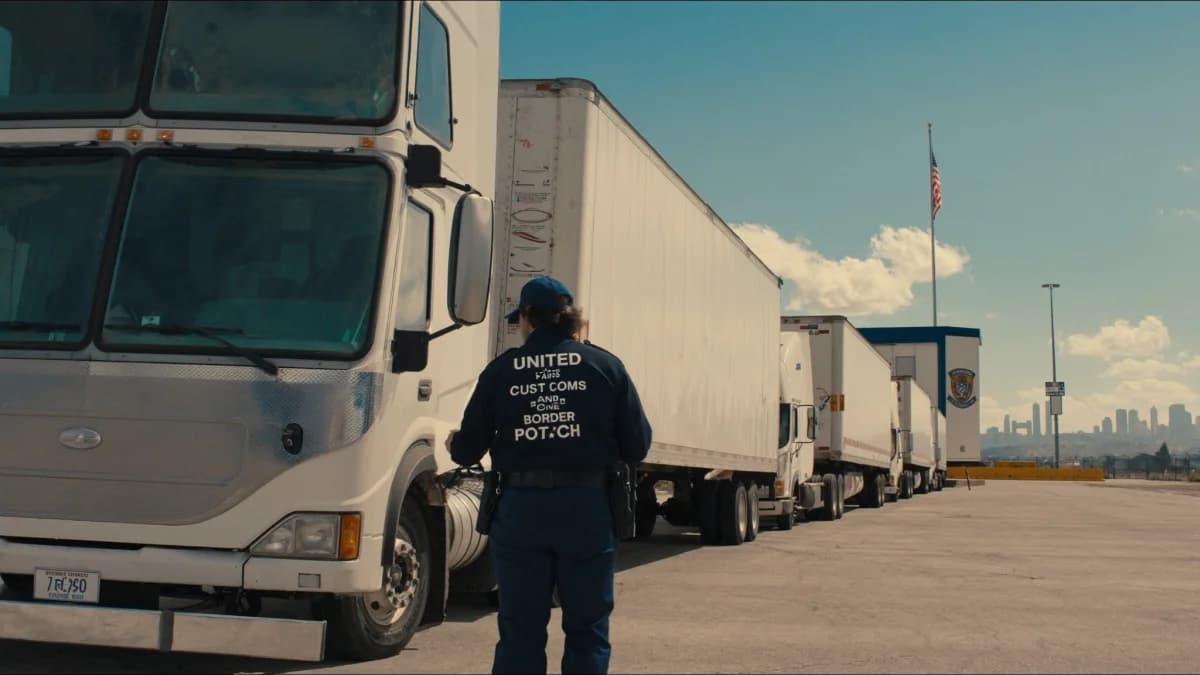
Los camiones cruzan el puente en una linea constante todo el dia. Tractores de Saltillo, Monterrey, Chihuahua y Ciudad de Mexico. Trailers cargados con partes de auto para las plantas de ensamblaje en Detroit, con electronicos para centros de distribucion de Texas, con productos frescos para las cadenas de supermercados del Suroeste. Solo el Puerto de Entrada Bridge of the Americas procesa mas de dos mil camiones comerciales por dia. Agregue los puertos de Ysleta y Stanton Street y El Paso maneja una porcion significativa de toda la relacion comercial Estados Unidos-Mexico.
Ese volumen produce una carga correspondiente de accidentes. El corredor de carga a lo largo de la Interestatal 10 entre los puertos internacionales y los patios de transbordo en el Lado Este de El Paso ve participacion comercial de camiones en una porcion desproporcionada de accidentes fatales. El panorama legal despues de uno de estos accidentes es diferente a cualquier otro caso de lesiones personales en Texas. Las reglas de la Administracion Federal de Seguridad de Autotransportes, multiples polizas de seguros, dispositivos de registro electronico, transportistas extranjeros, retrasos aduanales y un ambiente regulatorio que cruza dos jurisdicciones nacionales todos se combinan.
Si usted vive en El Paso, va al trabajo por el corredor de carga de la I-10 o trabaja en o cerca de las zonas de puerto de entrada internacional, este articulo es su referencia esencial para lo que sucede despues de un accidente de camion transfronterizo y como proteger los derechos de su familia.
Por Que los Accidentes de Camiones Transfronterizos Son Diferentes
Un accidente auto-contra-vehiculo de pasajeros es gobernado por un cuerpo de ley relativamente simple. Un accidente estandar de camion comercial es mas complejo debido a las reglas de la Administracion Federal de Seguridad de Autotransportes. Un accidente de camion transfronterizo agrega otra capa de complejidad.
Multiples jurisdicciones. El camion puede haber sido despachado desde un patio en Monterrey, ser propiedad de una compania mexicana, conducido por un conductor licenciado mexicano, asegurado por un transportista mexicano para la porcion sur de su ruta y asegurado por una afiliada estadounidense para la porcion estadounidense. Resolver que leyes y que polizas de seguros aplican requiere analisis cuidadoso.
Capa regulatoria federal. El Titulo 49 del Codigo de Regulaciones Federales gobierna las operaciones de vehiculos motorizados comerciales en los Estados Unidos. Las reglas cubren calificaciones del conductor, horas de servicio, inspeccion del vehiculo, aseguramiento de carga, pruebas de drogas y alcohol y docenas de otros detalles operacionales. Los transportistas mexicanos que operan en los Estados Unidos deben cumplir con estas reglas.
Datos del dispositivo de registro electronico. La mayoria de los camiones comerciales en los Estados Unidos estan requeridos a usar dispositivos de registro electronico que registran las horas de servicio del conductor. Los datos son admisibles en la corte y a menudo muestran si el conductor estaba fatigado, fuera de ruta o en violacion de los limites federales. Los transportistas mexicanos que operan mas alla de la zona comercial tambien deben cumplir.
Limites de seguros mas altos. Las companias camioneras comerciales tipicamente cargan seguro de responsabilidad en el rango de $1 millon a $5 millones, muy por encima de la poliza de auto de pasajeros tipica. El potencial de recuperacion en un caso serio de camion comercial excede por mucho las recuperaciones estandar de accidentes de auto.
Multiples demandados. Un accidente de camion comercial a menudo involucra al conductor, la compania camionera, el dueno de la carga, la compania de mantenimiento, el fabricante del camion, el fabricante de las llantas y cualquier afiliada estadounidense. Cada uno es una fuente potencial de recuperacion. Para contexto mas amplio sobre estos reclamos, vea nuestro articulo sobre entendiendo los reclamos de accidentes de camion.
Desafios de notificacion del proceso. Cuando la parte en falta es una compania mexicana, notificar el proceso legal puede ser lento. La Seccion 17.044 del Codigo de Practica Civil y Remedios de Texas proporciona un mecanismo para notificacion sobre demandados extranjeros a traves del Secretario de Estado de Texas, pero el proceso requiere cumplimiento procesal cuidadoso.
Los Tres Puertos de Entrada de El Paso y Sus Patrones de Accidentes
El Paso tiene tres puertos de entrada internacional comercial principales, cada uno con sus propios patrones de trafico y riesgos de accidentes.
Puerto de Entrada Bridge of the Americas. Tambien llamado el Puente Cordova. Ubicado al sur de la Interestatal 110. Maneja el mayor volumen de camiones comerciales. Los carriles de aproximacion del Loop 375 llevan trafico mixto de camiones y pasajeros. La salida de la instalacion de inspeccion se une directamente a la Border Highway, donde los diferenciales de velocidad entre los camiones acelerando y el trafico que pasa producen accidentes por alcance y roces laterales.
Puerto de Entrada Ysleta. Ubicado al sur de Zaragoza Road en el Valle Bajo. El cruce maneja trafico comercial sustancial de la zona de maquiladoras de Juarez. Muchos camiones que cruzan aqui viajan al norte por Zaragoza Road hacia la I-10, pasando por vecindarios residenciales y zonas escolares. Los conflictos de peatones y vehiculos de pasajeros son mas comunes aqui que en el Bridge of the Americas.
Puerto de Entrada de Stanton Street. Ubicado en el centro de El Paso. Principalmente un cruce de pasajeros pero maneja algo de trafico comercial. La cuadricula de calles del centro obliga a los camiones grandes a navegar giros estrechos y calles de un solo sentido. Los accidentes en esta zona a menudo involucran vehiculos de pasajeros incapaces de ver alrededor o sobre los camiones comerciales.
El corredor de la I-10 Este. No un puerto en si mismo pero la autopista conectando los tres puertos al sistema interestatal nacional. El tramo de 20 millas entre el Loop 375 y la linea estatal de Nuevo Mexico lleva la mayor densidad de camiones comerciales de cualquier interestatal urbana en el Oeste de Texas.
Las zonas de construccion de la I-10 agravan el riesgo de camiones comerciales porque los cambios de carril y carriles estrechados fuerzan a vehiculos de combinacion larga a sobres operativos mas estrechos. Los camiones navegando zonas de construccion producen una porcion desproporcionada de accidentes.
Reglas de la Administracion Federal de Seguridad de Autotransportes
La Administracion Federal de Seguridad de Autotransportes es la agencia federal responsable de regular los vehiculos motorizados comerciales en el comercio interestatal e internacional. Sus reglas cubren la mayoria de los aspectos de la operacion de camiones comerciales.
Horas de servicio. Los conductores de vehiculos motorizados comerciales que transportan propiedad pueden conducir un maximo de 11 horas despues de 10 horas consecutivas fuera de servicio. La regla de 14 horas limita la ventana total en servicio despues de entrar en servicio. Los conductores deben tomar un descanso de 30 minutos despues de 8 horas de conduccion. Los limites semanales limitan el tiempo en servicio a 60 horas en 7 dias o 70 horas en 8 dias.
Pruebas de drogas y alcohol. Pruebas pre-empleo, aleatorias, post-accidente y de sospecha razonable son todas requeridas. Los transportistas mexicanos que operan en los Estados Unidos deben cumplir.
Inspeccion y mantenimiento del vehiculo. Cada vehiculo comercial debe ser inspeccionado diariamente antes de la operacion. Los camiones deben someterse a inspecciones federales anuales. Los registros de inspeccion y mantenimiento deben ser retenidos.
Calificacion del conductor. Los conductores deben tener una licencia de conducir comercial valida, pasar un examen medico cada dos anos y cumplir con requisitos especificos de experiencia y capacitacion. Los conductores mexicanos que operan en los Estados Unidos deben tener una calificacion equivalente.
Aseguramiento de carga. La Regulacion Federal de Seguridad de Autotransportes 393 establece reglas detalladas para como varios tipos de carga deben ser asegurados. La carga incorrectamente asegurada es un factor contribuyente comun en accidentes de camiones comerciales.
Requisitos de dispositivos de registro electronico. La mayoria de los conductores comerciales deben usar dispositivos de registro electronico aprobados. Los datos registran tiempo de conduccion, tiempo en servicio y tiempo fuera de servicio automaticamente. Estos datos son admisibles en la corte y son evidencia critica en casos de accidentes de camiones.
Una compania camionera que violo cualquiera de estas reglas y la violacion contribuyo a un accidente puede ser responsable por negligencia per se. Los transportistas transfronterizos enfrentan los mismos estandares que los transportistas domesticos estadounidenses.
Cuando Estan Involucradas Companias Camioneras Mexicanas
Las operaciones de camiones transfronterizos bajo el Acuerdo Estados Unidos-Mexico-Canada permiten que los transportistas mexicanos operen en los Estados Unidos bajo condiciones especificas.
Programa de Camiones Transfronterizos. El programa de la Administracion Federal de Seguridad de Autotransportes certifica a los transportistas mexicanos para operar mas alla de la zona comercial inmediatamente adyacente a la frontera. Los transportistas certificados deben cumplir con estandares especificos de seguridad, seguros y operacionales.
Requisitos de seguros estadounidenses. Los transportistas mexicanos que operan en los Estados Unidos deben cargar seguro de responsabilidad de un asegurador autorizado estadounidense para la porcion estadounidense de su ruta. La cobertura minima es de $750,000, aunque la mayoria carga $1 millon o mas.
Requisitos de notificador de proceso. La Seccion 17.044 del Codigo de Practica Civil y Remedios de Texas permite la notificacion al Secretario de Estado de Texas cuando el demandado es una entidad comercial extranjera. Este es el camino procesal para demandar a un transportista mexicano en una corte de Texas.
Registros de dano pre-existente e inspeccion. Cuando un camion mexicano cruza a los Estados Unidos, esta sujeto a inspeccion en el puerto de entrada. Los registros de inspeccion se convierten en evidencia en cualquier caso de accidente subsecuente. Aduanas y Proteccion Fronteriza de los Estados Unidos mantiene los registros y pueden obtenerse a traves de citacion.
Manifiestos de carga. La carga internacional requiere un manifiesto aduanal documentando la carga, origen, destino, peso y valor. El manifiesto puede convertirse en evidencia sobre si la carga fue adecuadamente descrita y adecuadamente asegurada.
Reciprocidad de licencias de conducir. Las licencias de conducir comerciales mexicanas son reconocidas en los Estados Unidos solo para conductores que participan en el Programa de Camiones Transfronterizos u operan dentro de la zona comercial. Un conductor que opera fuera de su autoridad es una violacion regulatoria que puede respaldar un reclamo de negligencia per se.
Que Hacer Despues de un Accidente de Camion en Puerto de Entrada en El Paso
Los accidentes de camiones comerciales ocurren a velocidades mas altas y producen lesiones mas serias que los accidentes tipicos de pasajeros. La primera hora importa aun mas.
-
Llame al 911 y solicite tanto una ambulancia como al Departamento de Seguridad Publica de Texas. La jurisdiccion de autopista interestatal y estatal pertenece al DPS. Los reportes preparados por los policias estatales son mas detallados que los reportes de la policia local.
-
Quedese en su vehiculo si es seguro hacerlo. Pararse en la I-10 o la Border Highway en trafico activo es peligroso.
-
Documente el camion. Fotografie el numero federal del Departamento de Transporte del camion, identificacion del transportista de motor, placa del tractor, placa del trailer, cualquier calcomania de la compania y el contenido del trailer si es visible.
-
Note cualquier sello de inspeccion del puerto de entrada. Los sellos de aduanas en las puertas del trailer son evidencia del manifiesto de carga y registro de inspeccion.
-
Obtenga la informacion del conductor. Nombre, licencia de conducir, endoso de licencia de conducir comercial, transportista de seguros y numero de poliza, y nombre e informacion de contacto de la compania de despacho.
-
Identifique testigos. Otros conductores, personal del puerto de entrada, personal de gasolineras y paradas de camiones, y cualquier oficial de Aduanas y Proteccion Fronteriza de los Estados Unidos cercano. Obtenga numeros de telefono antes de que se vayan.
-
Fotografie las condiciones del camino. Tomas amplias y de cerca. Clima, posiciones de carril, campo de escombros, dispositivos de control de trafico y cualquier dano mecanico visible al camion o trailer.
-
Busque atencion medica inmediatamente. Los accidentes de camiones comerciales producen lesiones internas serias, fracturas y conmociones cerebrales que pueden presentarse horas despues.
-
No de una declaracion grabada a nadie. El asegurador comercial de la compania camionera se comunicara dentro de horas, a menudo antes de que haya salido del hospital. Rechace hablar antes de consultar con un abogado.
-
Preserve el video de la camara del tablero y solicite los datos del dispositivo de registro electronico del camion. Estos son sensibles al tiempo. La compania camionera esta requerida a preservar los datos una vez que sabe del accidente, pero el cumplimiento practico es desigual sin una carta de preservacion.
-
Contacte a un abogado de lesiones personales dentro de 24 a 48 horas. Los casos de accidentes de camiones comerciales se benefician enormemente de la investigacion rapida. Las cartas de preservacion necesitan salir, el camion necesita ser inspeccionado antes de la reparacion y los datos del dispositivo de registro electronico necesitan ser descargados.
Como Lovett & Murray Ayuda Despues de Accidentes de Camiones Transfronterizos
Por mas de 30 anos, Lovett & Murray ha representado a familias de El Paso en casos de camiones comerciales y carga transfronteriza. Conocemos el corredor de la I-10 entre los puertos y los patios de transbordo del Lado Este. Sabemos que transportistas mexicanos operan localmente y cuales tienen afiliadas estadounidenses. Conocemos las regulaciones federales que aplican a la conduccion comercial y la mecanica procesal de notificar a una compania mexicana a traves del Secretario de Estado de Texas.
Ofrecemos consultas gratuitas. Trabajamos por contingencia. Nuestro equipo bilingue maneja cada paso en ingles o espanol, lo que importa cuando los registros, conductor o despachador del transportista estan en espanol. Nuestros socios Rob Lovett y Russell Murray personalmente revisan cada caso de camion comercial. Nuestra oficina principal esta en El Paso, en el corredor donde ocurren estos accidentes.
Si usted o un miembro de la familia fue lesionado en un accidente de camion comercial cerca de cualquiera de los puertos de entrada de El Paso o en el corredor de la I-10 que los conecta, contactenos hoy para una evaluacion gratuita y sin compromiso. Llamenos al 915-757-9999 o use nuestro formulario en linea. El asegurador comercial de la compania camionera ya esta trabajando en su defensa. Actue tan rapidamente.
Vea nuestros artículos con más frecuencia en Google.