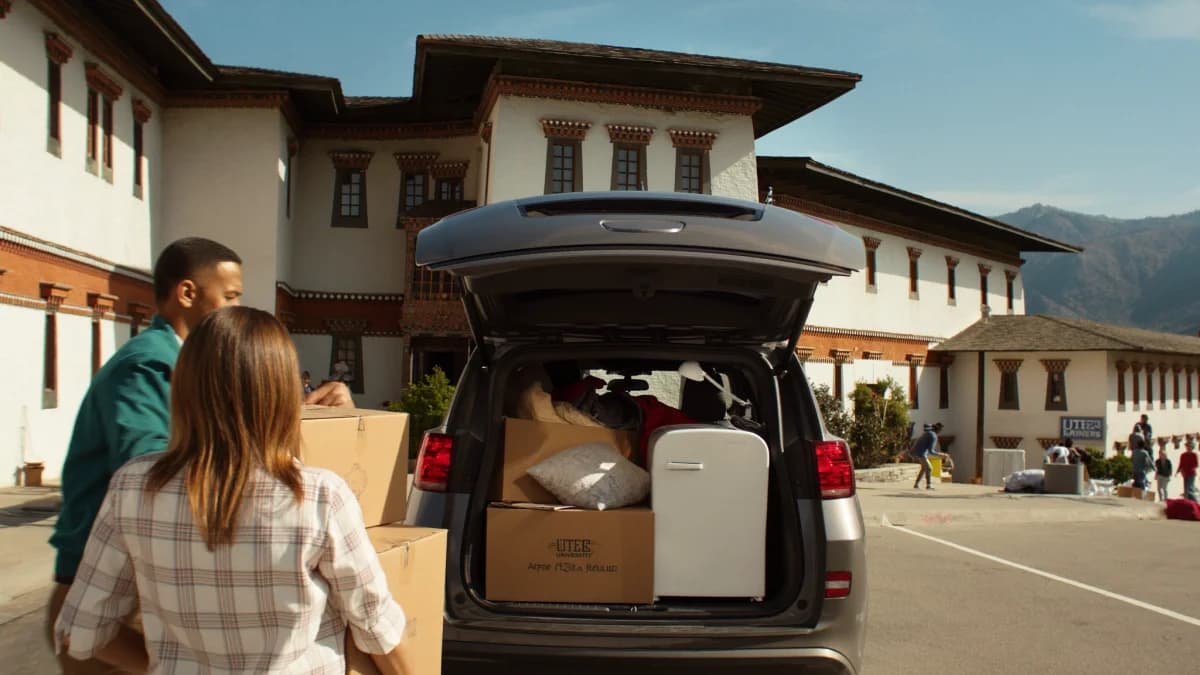
Finales de agosto en El Paso trae un tipo particular de trafico que la mayoria de los residentes de todo el ano no anticipan. Autos de Houston y Dallas remolcando pequenos trailers. Camiones Penske de California con las puertas traseras amarradas. Camionetas U-Haul de Arizona y Nuevo Mexico. SUVs cargados con bicicletas en portaequipajes, mini refrigeradores asomandose por las ventanas traseras y contenedores de plastico apilados en los asientos traseros. Convergen en UTEP, El Paso Community College, los complejos de apartamentos circundantes y los caminos de regreso a Las Cruces y NMSU para una de las semanas mas caoticas del ano.
La mudanza universitaria es una tradicion. Tambien es un evento mayor de seguridad vial. Los conductores de fuera del estado no familiarizados con el campus en la ladera de El Paso, los padres que han estado conduciendo por 14 horas, los estudiantes universitarios de primer ano haciendo su primer verdadero viaje solo a traves del pais y las tormentas tardias del monzon de verano que aun barren la region producen un aumento medible de accidentes durante la ultima semana de agosto. Si usted vive cerca de UTEP, va al trabajo por el centro o viene al area para dejar a un estudiante, este articulo es su guia de supervivencia.
Por Que la Semana de Mudanza Universitaria Aumenta los Accidentes de Trafico
Varios factores especificos convergen a finales de agosto alrededor de UTEP y otras universidades regionales:
Conductores de fuera del estado no familiarizados con la geografia local. El Paso tiene algunas convenciones viales que toman por sorpresa a los visitantes. La division de Mesa Street entre el trafico hacia el norte y hacia el sur en el area universitaria. El sistema de Sun Bowl Drive alrededor del estadio. El hecho de que la I-10 Este y la US-54 Norte se dividen donde la mayoria de los conductores esperarian que continuen juntas. Los conductores leyendo su GPS mientras navegan por terreno desconocido producen una parte desproporcionada de los accidentes.
Vehiculos sobrecargados. Un vehiculo lleno con el contenido de un dormitorio se maneja diferente al mismo vehiculo vacio. La distancia de frenado es mas larga, los cambios de carril son mas lentos, y la carga puede cambiar durante maniobras evasivas. Muchos vehiculos de mudanza estan cargados por encima de la clasificacion de peso bruto del fabricante.
Fatiga. Muchas familias conducen directamente desde su estado natal a El Paso para evitar costos de hotel. Un conductor que ha estado despierto por 24 horas tiene un deterioro comparable a una concentracion de alcohol en sangre del 0.10 por ciento.
Padres y conductores adolescentes distraidos. El contenido emocional de dejar a un hijo en la universidad, navegar una ciudad desconocida y manejar a un hermano en el asiento trasero todos se combinan para producir inatencion.
Zonas de construccion. UTEP rutinariamente tiene proyectos de construccion de verano que terminan en los dias antes de que comiencen las clases. Los nuevos patrones de trafico cerca del campus toman por sorpresa incluso a los conductores locales.
Tormentas del monzon aun posibles. Finales de agosto en El Paso aun produce tormentas vespertinas con lluvia breve pero pesada. Las carreteras mojadas combinadas con todos los factores anteriores crean condiciones peligrosas.
Cobertura de seguros de fuera del estado. Los conductores de otros estados pueden tener diferentes minimos de poliza y cobertura que no coincide con los requisitos de Texas. Resolver la cobertura despues de un accidente toma mas tiempo cuando hay multiples polizas estatales involucradas.
La Geografia Alrededor de UTEP Que Toma por Sorpresa a los Conductores de Fuera del Estado
UTEP esta en una ladera en el Lado Oeste de El Paso, limitada por Mesa Street, Cincinnati Avenue, Sun Bowl Drive y Schuster Avenue. La disposicion del campus es famosa por su arquitectura inspirada en Butan, pero la disposicion de las calles abajo es el problema real.
Mesa Street al norte de la I-10. Mesa cambia su caracter varias veces en media milla. Al sur de la I-10 es un corredor comercial estandar. Al acercarse a UTEP se divide en carriles separados hacia el norte y hacia el sur con el campus en una colina empinada al oeste. Los conductores que esperan una calle comercial recta encuentran una arteria dividida sin mucha advertencia.
La salida Schuster de la I-10. Saliendo de la I-10 Este en Schuster, los conductores necesitan tomar varias decisiones rapidas sobre a que estacionamiento del campus o residencia se dirigen. La senalizacion ayuda pero no es suficiente para los que llegan por primera vez.
Sun Bowl Drive. El camino alrededor del estadio Sun Bowl es un circulo de un solo sentido que toma por sorpresa a los conductores que intentan navegarlo como una calle de dos sentidos. Los accidentes en sentido contrario ocurren aqui cada agosto.
Corredor de Cincinnati Avenue. Cincinnati al sur de Mesa es el distrito historico de entretenimiento. Durante la semana de mudanza, los conductores que se dirigen a apartamentos cercanos a menudo confunden las calles paralelas de Cincinnati y Mesa.
Loop 375 / Trans Mountain. Los conductores que se hospedan en hoteles en el lado norte de las Montanas Franklin toman Trans Mountain Road a traves de la cordillera para llegar a UTEP. La pendiente y curvas son sorprendentes para conductores acostumbrados a terreno mas plano. Cubrimos los detalles especificos de la I-10 en nuestro articulo sobre accidentes en zonas de construccion de la I-10 y los problemas paralelos aplican en el Loop 375.
Interseccion de Mesa Street y Sun Bowl Drive. Esta es la zona de accidentes mas concentrada durante la semana de mudanza. Multiples carriles de giro, trafico peatonal y conductores deteniendose inesperadamente para leer letreros del campus producen un flujo constante de incidentes.
Escenarios Comunes de Accidentes en la Semana de Mudanza
Los casos que vemos a finales de agosto en El Paso caen en un punado de patrones:
Colisiones por alcance en Mesa Street. Un conductor de fuera de la ciudad se detiene repentinamente para hacer un giro hacia un estacionamiento de residencia o complejo de apartamentos. El conductor local detras, esperando flujo de trafico normal, lo golpea. El conductor local a menudo es tecnicamente culpable por seguir demasiado cerca pero la parada repentina del conductor no familiar contribuyo.
Roces laterales en Sun Bowl Drive. Un conductor no familiar con el circulo de un solo sentido deriva a traves de los carriles mientras busca el estacionamiento correcto. Un segundo vehiculo moviendose a velocidad normal en el carril adyacente es impactado.
Accidentes en sentido contrario en calles de un solo sentido. Un conductor entra a una calle de un solo sentido yendo en la direccion equivocada, generalmente tratando de cortar entre Mesa Street y Cincinnati Avenue. Las colisiones de frente ocurren a baja velocidad pero causan dano y lesiones significativas.
Volcaduras de camiones alquilados en Trans Mountain. Un camion U-Haul o Penske pesado con carga por encima de la cabina cargada incorrectamente produce un centro de gravedad alto. Las curvas de Trans Mountain Road pueden causar volcaduras a velocidades que el conductor pensaba que eran seguras.
Atropellos peatonales cerca del campus. Los estudiantes mudandose estan constantemente caminando entre vehiculos, mini refrigeradores y estacionamientos. Un SUV retrocediendo en un estacionamiento de residencia puede golpear a un estudiante cargando cajas.
Accidentes de multiples vehiculos en estacionamientos de complejos de apartamentos. Las areas alrededor de los complejos de apartamentos Mesa Park, Centro y Sun Towers ven un volumen significativo de accidentes durante la semana de mudanza.
Accidentes en la autopista viniendo de fuera del estado. La fatiga de larga distancia alcanza a las familias en el corredor de la I-10 entre Las Cruces y El Paso, o subiendo por la US-54 desde el norte. Estos pueden ser accidentes serios de alta velocidad con lesiones serias.
Cuando Esta Involucrado un Camion de Mudanza o Vehiculo Alquilado
Un accidente en la semana de mudanza que involucra un camion comercial alquilado es legalmente diferente de un accidente estandar de vehiculo de pasajeros. La complejidad es parte de la razon por la que estos casos se benefician de representacion legal experimentada.
Multiples polizas de seguros. Un accidente tipico de camion alquilado involucra la poliza de auto personal del conductor, la poliza de responsabilidad comercial de la compania de alquiler, cualquier cobertura suplementaria comprada en el alquiler y posiblemente una poliza paraguas. Resolver que poliza paga primero y cual proporciona la mayor cobertura toma trabajo.
Regulaciones de vehiculos comerciales. Los camiones por encima de 10,000 libras de clasificacion de peso bruto del vehiculo caen bajo reglas diferentes a los vehiculos de pasajeros. Los requisitos de horas de servicio del conductor, los registros de inspeccion del vehiculo y los estandares de aseguramiento de carga todos se vuelven relevantes.
Registros de mantenimiento e inspeccion. Las companias de alquiler estan requeridas a mantener su flota a estandares especificos. Un defecto de mantenimiento que contribuyo al accidente crea un reclamo separado contra la compania de alquiler. Para contexto mas amplio sobre reclamos de accidentes de camiones comerciales, vea nuestro articulo sobre entendiendo los reclamos de accidentes de camion.
Calificacion del conductor. Algunas companias de alquiler requieren licencias adicionales para sus camiones mas grandes. Un conductor que no estaba calificado para operar el camion crea un reclamo de confianza negligente contra la compania de alquiler.
Negligencia en carga. Cuando el personal de la compania de alquiler cargo el camion o aconsejo al conductor sobre la carga, y la carga incorrecta contribuyo al accidente, un reclamo separado contra la compania aplica.
Cobertura de proteccion contra lesiones personales. Muchos conductores de fuera del estado cargan cobertura de proteccion contra lesiones personales que no se transfiere limpiamente a Texas. La interaccion entre el PIP de fuera del estado y las reglas de no-culpa y lesiones personales de Texas requiere analisis cuidadoso.
Que Hacer Despues de un Accidente en la Semana de Mudanza en El Paso
Los pasos si esta involucrado en un accidente durante el caos de la semana de mudanza:
-
Llame al 911 y solicite tanto a la policia como ambulancia. Incluso los accidentes menores necesitan un reporte policial. Los transportistas de seguros de fuera del estado lo demandaran para cualquier reclamo.
-
Obtenga la informacion del otro conductor. Intercambio estandar: nombre, direccion, telefono, numero de licencia, transportista de seguros y numero de poliza, placa de licencia, marca y modelo del vehiculo. Agregue: acuerdo de alquiler si el vehiculo es un alquiler, y el estado de la direccion del hogar del conductor.
-
Fotografie todo. Los vehiculos, el camino, el contexto circundante. Si esta involucrado un camion alquilado, fotografie las calcomanias de alquiler del camion, el numero de flota y cualquier carga visible.
-
Identifique testigos. Otros conductores, estudiantes cercanos, camaras de seguridad de complejos de apartamentos, camaras de gasolineras. Obtenga numeros de telefono antes de que se vayan.
-
Note la hora y fecha cuidadosamente. Los accidentes de la semana de mudanza a menudo ocurren durante una ventana conocida de alto volumen. La hora se convierte en evidencia de las condiciones.
-
Busque atencion medica inmediatamente. Muchos accidentes de la semana de mudanza producen latigazo cervical, lesiones de tejidos blandos y conmociones cerebrales que se presentan horas despues.
-
Rechace dar declaraciones grabadas. El seguro del otro conductor y el departamento de reclamos de la compania de alquiler llamaran dentro de horas. Rechace cortesmente hablar antes de consultar con un abogado.
-
Preserve el video de la camara del tablero y la vigilancia. Las camaras de complejos de apartamentos y las camaras de trafico en intersecciones mayores graban continuamente. El video se sobrescribe en dias. Un abogado puede emitir cartas de preservacion inmediatamente.
-
Contacte a un abogado de lesiones personales dentro de dias. Los conductores de fuera del estado se van rapidamente. La ventana para servir notificacion y preservar evidencia es estrecha.
Como Lovett & Murray Ayuda Despues de Accidentes en la Semana de Mudanza
Por mas de 30 anos, Lovett & Murray ha representado a residentes de El Paso y familias de estudiantes de UTEP lesionados durante el caos de la semana de mudanza. Conocemos la geografia local, los patrones recurrentes de accidentes, las companias de camiones alquilados que operan en el mercado de El Paso y los transportistas de seguros de fuera del estado con los que tratamos. Hemos manejado casos donde el conductor en falta habia regresado a Houston antes de que el reporte policial estuviera incluso terminado.
Ofrecemos consultas gratuitas. Trabajamos por contingencia. Nuestro equipo bilingue maneja cada paso en ingles o espanol. Nuestros socios Rob Lovett y Russell Murray personalmente revisan cada caso de la semana de mudanza. Nuestra oficina principal esta en El Paso, a unas millas del campus de UTEP.
Si usted o un miembro de la familia fue lesionado en un accidente durante la semana de mudanza universitaria, contactenos hoy para una evaluacion gratuita y sin compromiso. Llamenos al 915-757-9999 o use nuestro formulario en linea. Los conductores de fuera del estado y los camiones alquilados no esperan. Actue rapidamente.
Vea nuestros artículos con más frecuencia en Google.