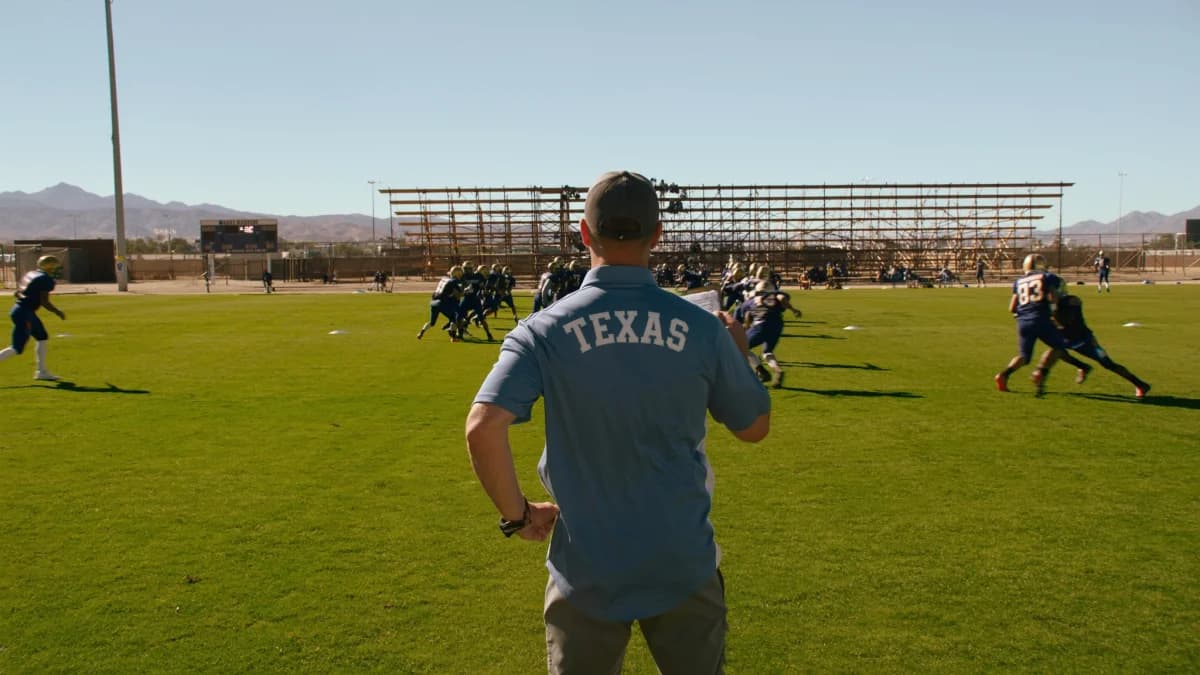
El primer silbatazo de los entrenamientos dobles en Eastwood, Coronado, Andress, Bowie, Franklin, Hanks, El Paso, Burges, Riverside, Socorro y Americas marca el inicio de la tradicion mas amada y mas fisicamente peligrosa de Texas. El futbol americano de pretemporada en agosto produce mas conmociones cerebrales que cualquier otro tramo de dos semanas del ano academico. Los ejercicios de colision, las sesiones de tackleo con casco, el calor de agosto y la prisa por preparar a cada jugador para el primer partido crean las condiciones perfectas para lesiones cerebrales traumaticas.
Si su hijo juega futbol americano de preparatoria en El Paso, usted ya ha firmado documentos reconociendo el riesgo. Lo que esa documentacion no le dice es que la ley de Texas, la Ley de Reclamos Contra el Estado de Texas, las reglas de responsabilidad del producto para fabricantes de cascos y el deber de cuidado que cada entrenador debe a sus atletas todos le dan remedios legales potenciales si una conmocion cerebral es mal manejada o si el equipo fallo. Este articulo presenta lo que los padres de Texas necesitan saber sobre las conmociones cerebrales de atletas juveniles, el estatuto especifico que las gobierna y sus opciones cuando ocurre lo peor.
Estadisticas de Conmocion Cerebral del Futbol Americano de Texas
Los numeros cuentan una historia que la mayoria de los padres no han visto. Segun datos compilados por la Liga Interescolar Universitaria e investigadores externos:
Aproximadamente el 5 por ciento de los jugadores de futbol americano de preparatoria sufren una conmocion cerebral reportada cada temporada. El subreporte es generalizado. La tasa real se estima en 10 por ciento o mas.
Las primeras dos semanas de la pretemporada producen las tasas mas altas de conmocion cerebral del ano. Los cuerpos aun no estan acondicionados, el equipo aun no esta adecuadamente ajustado, y el personal de entrenamiento esta empujando a los atletas a estar listos para el juego en un cronograma comprimido.
Texas lidera la nacion en participacion de futbol americano de preparatoria. Aproximadamente 165,000 estudiantes juegan futbol americano de placaje en todo el estado. El Condado de El Paso contribuye con miles de estos atletas en los tres distritos principales.
El sindrome del segundo impacto es raro pero fatal. Cuando ocurre una segunda conmocion cerebral antes de la recuperacion completa de la primera, el resultado puede ser hinchazon rapida del cerebro y muerte. Varios atletas estudiantiles de Texas han muerto por el sindrome del segundo impacto desde el ano 2000.
Las consecuencias a largo plazo todavia se estan estudiando. La Encefalopatia Traumatica Cronica ha sido documentada en jugadores de futbol americano de preparatoria tan jovenes como de 18 anos. La investigacion de la Universidad de Boston sugiere que el efecto acumulativo de los impactos subconmocionales puede ser tan significativo como las conmociones diagnosticadas mismas.
Ley de Texas Sobre Conmociones Cerebrales en Deportes Juveniles: la Ley de Natasha
En 2011, la Legislatura de Texas aprobo el Proyecto de Ley del Senado 82, conocido como la Ley de Natasha en honor a Natasha Helmick, una atleta estudiantil de Texas que sufrio una lesion cerebral catastrofica. La ley esta ahora codificada en las Secciones 38.151 a 38.160 del Codigo de Educacion de Texas y aplica a cada programa atletico de la Liga Interescolar Universitaria en el estado.
La ley requiere que cada distrito:
Establezca un Equipo de Supervision de Conmocion Cerebral. Un equipo de profesionales medicos y atleticos que desarrolla el protocolo de regreso al juego del distrito. El equipo debe incluir a un medico.
Capacite a entrenadores y preparadores fisicos. Cada entrenador y preparador fisico certificado debe completar un programa de capacitacion de conmocion cerebral aprobado por Texas cada dos anos.
Informe a padres y atletas. Antes de participar en cualquier actividad atletica de la UIL, cada estudiante y padre debe firmar un formulario de educacion y reconocimiento de conmocion cerebral.
Retire a los atletas del juego ante una conmocion cerebral sospechada. Cualquier atleta estudiantil del que razonablemente se sospeche que sufrio una conmocion cerebral durante la practica o competencia debe ser retirado inmediatamente. La remocion es obligatoria y aplica incluso si el atleta insiste en que esta bien.
Requiera autorizacion medica por escrito para el regreso al juego. Un atleta retirado no puede regresar a la practica o competencia hasta que un medico tratante haya proporcionado una autorizacion por escrito certificando que el atleta ha completado un protocolo graduado de regreso al juego.
Documente cada conmocion cerebral. Las escuelas deben mantener registros de cada conmocion cerebral reportada y sospechada durante al menos la duracion de la inscripcion del atleta.
Un entrenador, preparador fisico o empleado del distrito que viole estos protocolos puede enfrentar disciplina profesional, y el distrito puede enfrentar responsabilidad civil si la violacion contribuye a una lesion mas seria.
Cuando el Distrito Escolar Es Responsable
Bajo la Constitucion de Texas, los distritos escolares tienen inmunidad soberana de la mayoria de las demandas. La Ley de Reclamos Contra el Estado de Texas crea renuncias limitadas que permiten a los estudiantes lesionados presentar reclamos en circunstancias especificas.
Las bases mas comunes para un reclamo relacionado con conmocion cerebral contra un distrito escolar de Texas:
Defecto de propiedad tangible. La Seccion 101.021 del Codigo de Practica Civil y Remedios de Texas renuncia a la inmunidad por lesiones personales que surjan de la condicion o uso de propiedad personal tangible. Un casco defectuoso, un campo de practica danado, una pieza de equipo de sala de pesas mal funcionando o un piso de gimnasio mal mantenido que contribuyo a una conmocion cerebral puede respaldar un reclamo.
Defecto de locales. La misma seccion tambien renuncia a la inmunidad por defectos de locales. Un campo de juego inseguro, peligros ocultos o iluminacion inadecuada que contribuyo a la lesion puede respaldar un reclamo. Para una explicacion mas completa de estos reclamos, vea nuestro articulo sobre ley de responsabilidad de locales en Texas.
Operacion de vehiculo motorizado. Cuando un estudiante es transportado por vehiculo del distrito y la lesion surgio del transporte, un reclamo esta disponible.
Limites de danos y notificacion. Todos los reclamos de la Ley de Reclamos Contra el Estado de Texas contra los distritos escolares estan limitados a $100,000 por persona y $300,000 por incidente. La notificacion por escrito debe ser proporcionada al distrito dentro de seis meses de la lesion. Perder el plazo de notificacion prohibe permanentemente el reclamo. La notificacion y el limite aplican incluso cuando el reclamo es por la lesion cerebral catastrofica de un nino.
Negligencia grave del entrenador. La ley de Texas permite un camino separado contra un entrenador personalmente si la conducta del entrenador alcanzo el nivel de negligencia grave. Los ejemplos incluyen obligar a un atleta claramente conmocionado a regresar al juego a pesar de sintomas obvios, negarse a llamar para atencion medica o usar a sabiendas equipo que el entrenador sabia que era defectuoso. La responsabilidad personal no esta limitada por la Ley de Reclamos Contra el Estado de Texas.
El camino de la Ley de Reclamos Contra el Estado de Texas es complejo. Muchos padres que intentan manejar estos reclamos ellos mismos son rechazados por plazos de notificacion perdidos o entrega incorrecta. Un abogado experimentado de lesiones personales actua rapidamente en la notificacion y construye el caso alrededor de la renuncia especifica que aplica.
Responsabilidad de Fabricantes de Cascos y Equipo
Un camino legal separado y a menudo mas valioso corre contra el fabricante del casco, protector bucal, almohadillado u otro equipo de proteccion. La ley de responsabilidad del producto de Texas permite reclamos por:
Defecto de diseno. El casco fue disenado de manera que lo hizo irrazonablemente peligroso, y existia un diseno alternativo mas seguro que era factible.
Defecto de fabricacion. Un casco especifico difirio del diseno pretendido del fabricante de manera que causo la lesion.
Defecto de comercializacion (falla en advertir). El fabricante no proporciono advertencias adecuadas sobre las limitaciones del casco.
Riddell, el fabricante dominante de cascos de futbol americano en los Estados Unidos, ha enfrentado extenso litigio sobre la comercializacion de sus modelos Revolution y SpeedFlex. Acciones colectivas, investigaciones gubernamentales y reclamos individuales de lesiones han producido recuperaciones significativas. Otros fabricantes incluyendo Schutt y Xenith han enfrentado reclamos similares.
Estos casos requieren un abogado con los recursos para retener a expertos en ingenieria biomecanica, expertos en neurologia y especialistas en pruebas de desempeno de cascos. La inversion es sustancial, pero las recuperaciones en casos exitosos exceden por mucho lo que los limites de la Ley de Reclamos Contra el Estado de Texas permitirian.
Que Hacer Si Sospecha Que Su Hijo Tiene una Conmocion Cerebral
Las primeras horas despues de un impacto importan. Los pasos:
-
Retire al atleta del juego inmediatamente. La ley de Texas lo requiere. El entrenador tiene el mismo deber. Si el entrenador no ha sacado a su hijo, exijalo.
-
Obtenga atencion medica. Lleve a su hijo a la sala de emergencias o a un especialista pediatrico en conmocion cerebral. No confie solo en la evaluacion del preparador fisico atletico escolar.
-
Documente el impacto. Fotos del campo, el equipo, las condiciones y cualquier lesion visible. Note la hora del dia y la jugada que causo el impacto.
-
Obtenga el reporte de incidente. La Seccion 38.155 del Codigo de Educacion de Texas requiere que los distritos documenten cada conmocion cerebral sospechada. Obtenga una copia.
-
Identifique testigos. Companeros de equipo, jugadores oponentes, entrenadores, preparadores fisicos, otros padres en las gradas y cualquier videografo del equipo. Obtenga nombres y numeros de telefono.
-
Preserve el video del juego y la practica. Los juegos de futbol americano de preparatoria de Texas se graban con frecuencia. Muchos equipos usan Hudl o sistemas de video similares para grabar las practicas. Un abogado puede emitir cartas de preservacion inmediatamente.
-
Mantenga a su hijo fuera de toda actividad atletica. Hasta que se proporcione autorizacion medica por escrito, su hijo no puede regresar al futbol americano, basquetbol, futbol, trabajo de sala de pesas o cualquier otra actividad que arriesgue un segundo impacto.
-
Guarde toda la comunicacion de la escuela. Mensajes de texto del entrenador, correos electronicos del director atletico, cualquier papeleo de conmocion cerebral enviado a casa. Esto se convierte en evidencia.
-
No de una declaracion grabada. El transportista de seguros del distrito y el seguro del fabricante del casco pueden comunicarse. Rechace hablar antes de consultar con un abogado.
-
Contacte a un abogado de lesiones personales dentro de dias. El plazo de notificacion de la Ley de Reclamos Contra el Estado de Texas corre desde la fecha de la lesion.
Como Lovett & Murray Ayuda a las Familias de Texas Despues de Conmociones Cerebrales en Deportes
Por mas de 30 anos, Lovett & Murray ha representado a familias de El Paso en asuntos complejos de lesiones personales incluyendo conmociones cerebrales en deportes juveniles, reclamos contra distritos escolares bajo la Ley de Reclamos Contra el Estado de Texas y casos de responsabilidad del producto contra fabricantes mayores de equipo. Estos no son archivos estandar de accidentes de auto. Requieren un abogado que entienda la ciencia medica de las conmociones cerebrales pediatricas, las reglas procesales alrededor de demandados gubernamentales y la estrategia de litigio de enfrentarse a un fabricante de cascos de Fortune 500.
Ofrecemos consultas gratuitas. Trabajamos por contingencia. Nuestro equipo bilingue maneja cada paso en ingles o espanol. Nuestros socios Rob Lovett y Russell Murray personalmente revisan cada caso de conmocion cerebral que llega al despacho. Nuestra oficina principal esta en El Paso, en el mismo corredor de la I-10 donde las Luces del Viernes por la Noche todavia gobiernan cada otono.
Si su hijo sufrio una conmocion cerebral en la practica de futbol americano, en un juego o en cualquier otra actividad atletica de la UIL, contactenos hoy para una evaluacion gratuita y sin compromiso. Llamenos al 915-757-9999 o use nuestro formulario en linea. El plazo de notificacion es corto. Las decisiones medicas importan para toda la vida. No enfrente esto solo.
Vea nuestros artículos con más frecuencia en Google.