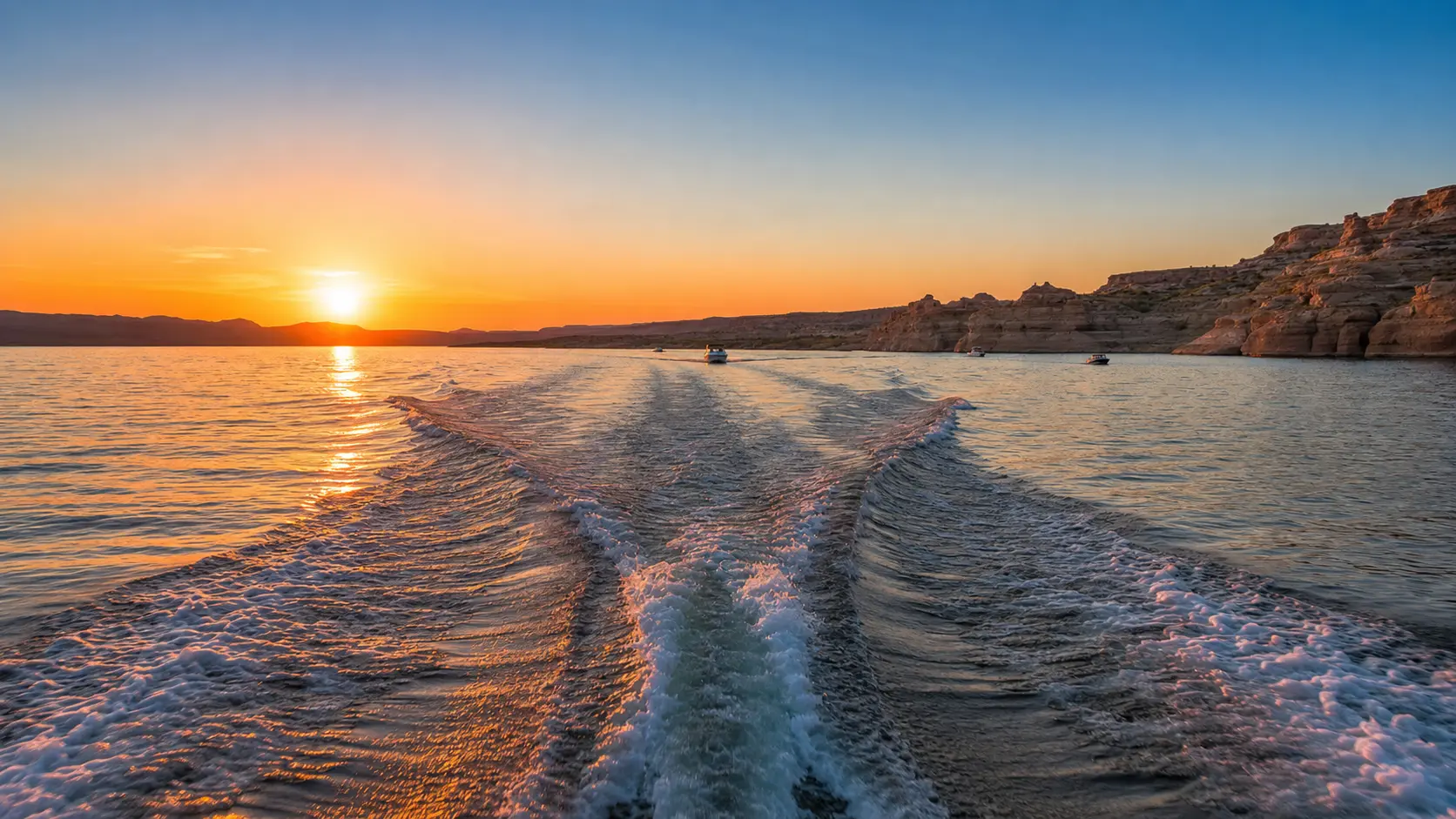
Los fines de semana de verano en Elephant Butte y Caballo Lake llevan a miles de familias de El Paso hacia el norte por la I-25 al agua que el desierto de otro modo niega. Lanchas, motos acuáticas, alquileres de pontones, recorridos de esquí acuático, remolques de tubos y natación todos comparten las mismas calas concurridas. La diversión viene con riesgos en los que las familias en un viaje de un día rara vez piensan hasta que algo ya ha salido mal.
Si un accidente de navegación ha lesionado a su familia en cualquiera de los lagos, sus opciones legales se rigen por la ley de Nuevo México y por abogados de Texas con experiencia en práctica transfronteriza. Actuar rápidamente preserva la evidencia que el lago no retendrá por mucho tiempo.
Dónde Ocurren los Accidentes de Navegación en el Sur de Nuevo México
Parque Estatal Elephant Butte Lake. El embalse más grande de Nuevo México, justo al norte de Truth or Consequences en la I-25. Aproximadamente dos horas desde El Paso. Los fines de semana festivos atraen a decenas de miles de visitantes. Las áreas de marina, las calas de natación y los carriles de esquí acuático todos ven incidentes frecuentes.
Parque Estatal Caballo Lake. Al sur de Elephant Butte a lo largo del Río Grande. Más pequeño y menos concurrido pero aún un sitio regular de accidentes.
Embalses más pequeños y el Río Grande. Bottomless Lakes cerca de Roswell, Sumner Lake y tramos del Río Grande al sur de Elephant Butte todos producen casos ocasionales.
El patrón de lesiones sigue el tipo de actividad. Colisiones de lancha a lancha en aguas abiertas. Motos acuáticas que golpean a nadadores cerca de las calas. Lesiones de remolque de tubos por maniobras repentinas. Lesiones por clavados en aguas poco profundas. Lesiones por hélice cerca de botes anclados. El alcohol entra en la mayoría de los casos graves en algún lugar de la cadena.
Ley de Conducir Embarcaciones Bajo la Influencia de Nuevo México
Nuevo México trata la navegación intoxicada con la misma seriedad que la conducción intoxicada en la carretera. La Sección 66-12-1 del Estatuto de Nuevo México hace ilegal operar una embarcación bajo la influencia de alcohol o drogas, con un límite presuntivo del 0.08 por ciento de concentración de alcohol en sangre. Las sanciones incluyen cargos penales, multas, suspensiones de licencia y cursos obligatorios de seguridad en la navegación.
Para los casos civiles, la evidencia de BUI fortalece dramáticamente los reclamos para las víctimas lesionadas. La doctrina de negligencia per se de Nuevo México trata la violación de un estatuto de seguridad como negligencia presunta, simplificando la carga de la prueba.
Cobertura de patrulla. La división marina de la Policía Estatal de Nuevo México patrulla activamente ambos lagos durante los días festivos de verano. Los puntos de control de BUI y las pruebas de sobriedad en el agua son comunes. Rechazar una prueba química desencadena la suspensión automática de la licencia bajo la ley de consentimiento implícito de Nuevo México.
Factores agravantes. El calor, la deshidratación, la exposición al sol y el movimiento, todos aumentan el efecto del alcohol en los operadores de botes en comparación con los conductores en tierra. Un BAC del 0.06 por ciento en una cabina caliente de bote puede producir una intoxicación comparable al 0.10 por ciento en la carretera.
Para el marco paralelo en la carretera, nuestra cobertura de las leyes y sanciones de DWI de Texas explica las vías penal y civil que se aplican en tierra.
Tipos Comunes de Casos de Accidentes de Navegación
Colisiones de lanchas. Dos botes en movimiento en aguas abiertas chocan. Los efectos de la estela, los puntos ciegos y los operadores intoxicados todos contribuyen. Las reglas de derecho de paso bajo las Reglas Federales de Navegación se aplican.
Incidentes con motos acuáticas. Motos acuáticas que golpean a nadadores, otras motos acuáticas u objetos fijos. Las motos acuáticas están involucradas en una parte desproporcionada de las lesiones de navegación a nivel nacional debido a su velocidad y la inexperiencia de muchos operadores, particularmente los que alquilan.
Lesiones de deportes de remolque. Esquiadores acuáticos, wakeboarders y tuberos lesionados por maniobras repentinas, colisiones con obstáculos o contacto con otras embarcaciones. Los requisitos de observador bajo la ley de Nuevo México a menudo son violados.
Golpes de hélice. Nadadores golpeados por la hélice de un bote anclado o en movimiento lento. Estos casos a menudo producen lesiones catastróficas que incluyen amputaciones.
Clavados y caídas. Caídas de botes a aguas de profundidad desconocida. Lesiones por clavados en áreas poco profundas donde la profundidad no estaba debidamente marcada.
Volcaduras y hundimientos. Botes sobrecargados, fallas de equipo y errores del operador pueden poner en riesgo a todos los pasajeros.
Negligencia de la empresa de alquiler. Informes de seguridad inadecuados, equipo defectuoso, alquileres no calificados permitidos en el agua.
Asuntos Legales Transfronterizos
La mayoría de las familias de El Paso que usan Elephant Butte o Caballo son residentes de Texas involucrados en accidentes en Nuevo México. Esta combinación plantea varios asuntos que un abogado experimentado debe manejar con cuidado.
Jurisdicción. Los tribunales de Nuevo México típicamente tienen jurisdicción sobre los accidentes que ocurrieron en aguas de Nuevo México. Los demandados de Texas que estaban operando en Nuevo México generalmente están sujetos a la jurisdicción personal de Nuevo México.
Elección de la ley. La ley sustantiva de Nuevo México típicamente rige las cuestiones de responsabilidad. Las reglas de culpa comparativa de Nuevo México, los topes de daños donde aplican y el estatuto de limitaciones todos se aplican.
Estatuto de limitaciones. El estatuto general de limitaciones por lesiones personales de Nuevo México es de tres años, más largo que la regla de dos años de Texas. Los casos de muerte injusta siguen una línea de tiempo diferente. La ley de almirantazgo federal se aplica a ciertos reclamos y tiene sus propios límites de tiempo.
Preservación de evidencia. La evidencia en los lagos de Nuevo México desaparece rápidamente. Los botes son retirados, reparados o vendidos. Los testigos se dispersan a múltiples estados. Actuar dentro de los días posteriores a cualquier accidente es crítico.
Notificación del proceso. Los demandados que viven en El Paso u otros lugares de Texas deben ser notificados de acuerdo con las reglas aplicables. Un abogado con experiencia en práctica transfronteriza maneja esto rutinariamente.
Qué Hacer Después de un Accidente de Navegación
La primera hora da forma a todo el caso.
- Reciba atención médica. Llame al 911 o a la división marina de la Policía Estatal de Nuevo México. El ahogamiento y el casi ahogamiento producen efectos retardados, y las lesiones de cabeza y cuello pueden ser sutiles.
- Documente la escena. Fotografías de cada bote, equipo, condiciones del agua, clima y cualquier lesión visible. Incluya los números de registro de las embarcaciones involucradas.
- Identifique a los testigos. Otros navegantes, nadadores y observadores en la orilla. Nombres y números de teléfono. Los testigos del lago se dispersan rápidamente.
- Preserve el equipo de seguridad. Chalecos salvavidas, flotadores arrojables, extintores y cualquier otro equipo que estuviera presente, faltante o inadecuado.
- Obtenga la información del operador y dueño. Tanto la persona que operaba la embarcación como la persona que la posee. Para alquileres, el nombre de la empresa y los detalles del contrato.
- Evite las declaraciones grabadas a las aseguradoras antes de consultar a un abogado. Los ajustadores de seguros de navegación se mueven rápidamente y usan las declaraciones contra los reclamantes.
- Llame a un abogado. Los casos de navegación en Nuevo México tienen requisitos procesales específicos. Lovett & Murray maneja estos casos al 915-757-9999.
Daños Disponibles en un Caso de Accidente de Navegación
Tanto la ley estatal de Nuevo México como la ley federal de almirantazgo (en algunos casos) permiten la recuperación por:
- Gastos médicos pasados y futuros
- Salarios perdidos y capacidad de ingresos perdida
- Dolor y sufrimiento
- Angustia mental
- Desfiguración
- Pérdida de consorcio para los cónyuges
- Daños punitivos en casos de negligencia grave
Para casos fatales, la Ley de Muerte Injusta de Nuevo México proporciona recuperación a los cónyuges, hijos y padres sobrevivientes. El marco difiere de la ley de muerte injusta de Texas, y un abogado con experiencia en ambas jurisdicciones navega las diferencias.
¿Lesionado en un Lago de Nuevo México? Lovett & Murray Está Aquí para Ayudar
Los casos de accidentes de navegación combinan complejidad técnica con asuntos legales transfronterizos que la mayoría de los abogados de Texas no manejan regularmente. La evidencia está en el agua y desaparece en cuestión de días. Los demandados a menudo están repartidos en múltiples estados. La imagen del seguro involucra tanto pólizas de embarcaciones como de propietarios.
Lovett & Murray ha pasado más de 30 años representando a víctimas de accidentes en todo El Paso, el oeste de Texas y el sur de Nuevo México. Manejamos casos de navegación en Elephant Butte, Caballo, Bottomless Lakes y otros cuerpos de agua de Nuevo México. Coordinamos con investigadores marinos de Nuevo México, preservamos la evidencia rápidamente y perseguimos a cada parte responsable, desde operadores hasta empresas de alquiler y fabricantes.
Trabajamos con honorarios contingentes. Usted no paga nada a menos que recuperemos compensación para usted.
Contacte a Lovett & Murray hoy para una consulta gratuita. Llame al 915-757-9999 o comuníquese en línea. Nuestro equipo bilingüe está listo para ayudar a su familia.
Vea nuestros artículos con más frecuencia en Google.