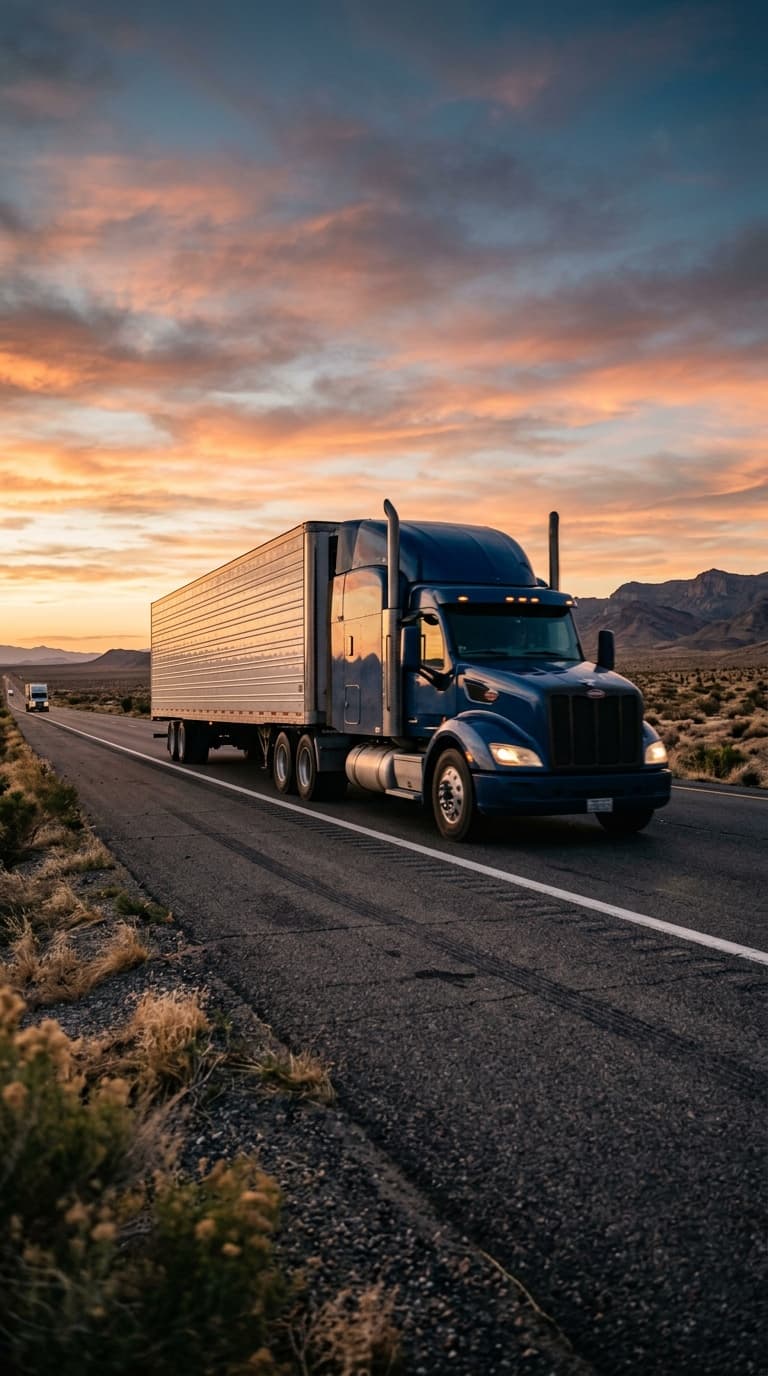
Si usted ha conducido por la I-10 a través de El Paso, ya conoce la sensación. Un 18-wheeler llena su espejo retrovisor mientras se incorpora cerca de las salidas de Cielo Vista, o una pared de tráilers lo encierra entre el intercambio del centro y las rampas del West Side cerca de Sunland Park Drive. El Paso se encuentra en uno de los corredores de transporte comercial más concurridos de todo el país. La I-10 conecta los puertos del sur de California con Houston, San Antonio y la costa este, y cada milla a través de El Paso lleva un flujo constante de carga pesada. Agregue la instalación intermodal de BNSF, los cruces de los puentes internacionales desde Juárez y los centros de distribución a lo largo de Gateway Boulevard, y tiene una ciudad donde compartir el camino con camiones de 80,000 libras es una realidad diaria.
Por Qué los Accidentes de 18-Wheelers Son Más Devastadores Que los Choques de Auto
La física de una colisión con un 18-wheeler es brutal y simple. Un camión semi completamente cargado puede pesar hasta 80,000 libras. El auto de pasajeros promedio pesa alrededor de 4,000 libras. Esa es una proporción de peso de 20 a 1, y significa que en casi cada colisión entre un camión y un auto, el auto y sus ocupantes absorben la gran mayoría de la fuerza del impacto.
Distancia de frenado: A velocidades de autopista, un 18-wheeler necesita aproximadamente 525 pies para detenerse completamente, casi el doble de la distancia requerida para un vehículo de pasajeros. En la I-10 a través de El Paso, donde el tráfico puede reducirse repentinamente cerca del intercambio de US-54 o la curva del centro, un conductor de camión que sigue muy de cerca o reacciona un segundo demasiado tarde prácticamente no tiene oportunidad de evitar una colisión por alcance trasero.
Riesgo de subrideado: Uno de los tipos más catastróficos de accidentes de camión ocurre cuando un vehículo más pequeño se desliza debajo de la parte trasera o lateral de un tráiler. Los accidentes de subrideado frecuentemente arrancan la parte superior del vehículo de pasajeros, causando lesiones fatales o que cambian la vida. Aunque las regulaciones federales requieren guardas contra subrideado trasero en los tráilers, la protección lateral contra subrideado aún no es universalmente obligatoria.
Peligros de carga: Los 18-wheelers transportan de todo, desde bienes de consumo hasta químicos industriales, gasolina y materiales de construcción. Cuando un choque rompe un tanque o dispersa carga pesada por la autopista, las colisiones secundarias y la exposición a materiales peligrosos añaden capas de peligro para todos en el camino. La I-10 a través de El Paso regularmente lleva camiones cisterna de combustible, plataformas cargadas con acero y tráilers dobles que amplifican estos riesgos.
Volcaduras y eventos de jackknife: Los vehículos de perfil alto como los tractocamiones son más susceptibles a volcarse, especialmente al tomar curvas a velocidad excesiva o cuando son golpeados por los fuertes vientos cruzados que atraviesan el desierto de El Paso. Un jackknife ocurre cuando el tráiler se balancea hacia afuera en relación con la cabina, barriendo múltiples carriles y atrapando otros vehículos en su camino.
Principales Causas de Accidentes de 18-Wheelers en la I-10 de El Paso
La I-10 a través de El Paso presenta una combinación única de peligros tanto para conductores de camión como para vehículos de pasajeros. Entender las causas más comunes de accidentes de 18-wheelers aquí puede ayudarle a reconocer situaciones peligrosas antes de que escalen.
Fatiga del conductor: Las reglas federales de Horas de Servicio limitan a los conductores de camión a 11 horas de conducción dentro de una ventana de trabajo de 14 horas después de 10 horas consecutivas fuera de servicio. A pesar de estas regulaciones, la fatiga sigue siendo una causa principal de accidentes de camión a nivel nacional. Los conductores que atraviesan el largo tramo de la I-10 entre Las Cruces y El Paso, o entre El Paso y Van Horn, pueden estar al final de un turno largo cuando llegan a las secciones urbanas congestionadas de la autopista.
Carga mal asegurada: Cuando la carga no está correctamente cargada, balanceada o asegurada, puede desplazarse durante el transporte y hacer que el conductor pierda el control. Los desplazamientos de carga son especialmente peligrosos en las curvas y cambios de elevación de la I-10 cerca de las Franklin Mountains o en el descenso desde Transmountain Road hacia el West Side.
Exceso de velocidad y conducción agresiva: Las compañías de transporte frecuentemente presionan a los conductores para cumplir con horarios de entrega ajustados. Un conductor que va atrasado puede exceder el límite de velocidad, seguir demasiado de cerca o cambiar de carril agresivamente a través de los corredores congestionados de El Paso. El tramo de la I-10 entre la salida de Zaragoza en el East Side y el intercambio del centro es un sitio frecuente de accidentes de camión relacionados con la velocidad.
Reventones de llantas y fallas mecánicas: El calor del clima del desierto del oeste de Texas y Chihuahua acelera la degradación de las llantas en camiones que pueden estar atrasados en mantenimiento. Un reventón de llanta a velocidad de autopista puede hacer que un 18-wheeler se desvíe a través de los carriles. La falla de frenos por mantenimiento diferido o sistemas de freno sobrecalentados en pendientes largas es otro factor recurrente.
Puntos ciegos: Un 18-wheeler tiene puntos ciegos masivos en los cuatro lados, a veces llamados "zonas de no visibilidad." El punto ciego del lado derecho se extiende a través de dos carriles completos. Los vehículos de pasajeros que permanecen en estas zonas son invisibles para el conductor del camión y están en riesgo extremo durante cambios de carril e incorporaciones, que ocurren constantemente en la I-10 a través de El Paso.
Regulaciones Federales de Transporte Que Lo Protegen
La Administración Federal de Seguridad de Autotransportes (FMCSA) establece regulaciones estrictas que gobiernan cada aspecto del transporte comercial. Estas regulaciones existen específicamente debido al peligro desproporcionado que los 18-wheelers representan para el público. Cuando una compañía de transporte o un conductor viola estas reglas, es evidencia poderosa de negligencia en un caso de accidente.
Las regulaciones clave de la FMCSA incluyen:
- Horas de Servicio: Los conductores deben registrar sus horas de servicio y conducción usando dispositivos de registro electrónico. Las violaciones indican fatiga, y los registros falsificados son evidencia de negligencia tanto del conductor como de la compañía.
- Mantenimiento e inspección de vehículos: Los transportistas deben realizar inspecciones antes y después de cada viaje, realizar mantenimiento regular y mantener registros detallados. Un camión que se accidenta debido a una falla mecánica que debió haber sido detectada durante la inspección señala responsabilidad del transportista.
- Pruebas de drogas y alcohol: La FMCSA requiere pruebas previas al empleo, aleatorias, posteriores al accidente y por sospecha razonable para sustancias controladas y alcohol. Los transportistas que no cumplen con los protocolos de pruebas pueden ser responsables.
- Límites de peso y aseguramiento de carga: La ley federal establece límites máximos de peso y especifica cómo deben asegurarse los diferentes tipos de carga. Los camiones con sobrepeso y las cargas mal aseguradas son violaciones que contribuyen directamente a los accidentes.
- Calificación del conductor: Los transportistas deben verificar que sus conductores tengan licencias comerciales válidas, cumplan los requisitos de aptitud médica y tengan registros de conducción aceptables.
Múltiples Partes Responsables en Accidentes de Camión
Una de las diferencias clave entre un accidente de auto y un accidente de camión comercial es el número de partes que pueden ser responsables. En un choque típico de auto, usted trata con un conductor culpable y su seguro. En un caso de 18-wheeler, múltiples partes pueden compartir la responsabilidad:
- El conductor del camión: Fatiga, distracción, intoxicación, exceso de velocidad o conducción imprudente
- La compañía de transporte: Presionar a los conductores para violar las horas de servicio, no mantener los vehículos, contratar conductores no calificados o entrenamiento inadecuado
- La compañía de carga: Carga mal colocada, balanceada o asegurada que causó que el conductor perdiera el control
- El fabricante del camión o sus piezas: Frenos, llantas, componentes de dirección o dispositivos de acoplamiento defectuosos
- Contratistas de mantenimiento: Falta de servicio e inspección adecuados del vehículo según lo requerido
Identificar a todas las partes responsables es crítico porque cada una puede tener cobertura de seguro separada. Los mínimos de seguro para transporte comercial varían de $750,000 a $5 millones dependiendo del tipo de carga, mucho más altos que los mínimos estándar de seguro de auto en Texas. Un abogado de accidentes de camión con experiencia investigará cada fuente potencial de recuperación.
Consejos de Seguridad para Conducir Cerca de 18-Wheelers en El Paso
Usted no puede controlar lo que hacen los conductores de camión, pero puede reducir su riesgo entendiendo cómo compartir el camino con 18-wheelers de manera segura. Estos consejos son especialmente importantes en la I-10, US-54, Loop 375 y las otras autopistas alrededor de El Paso que llevan tráfico comercial pesado.
- Manténgase fuera de los puntos ciegos: Si usted no puede ver los espejos del conductor del camión, el conductor no puede verlo a usted. Pase los camiones rápida y decisivamente, y nunca permanezca al lado de un tráiler.
- Deje más distancia de seguimiento: A velocidad de autopista, mantenga al menos cuatro segundos de distancia detrás de un 18-wheeler. El camión bloquea su vista del tráfico adelante, reduciendo su tiempo de reacción si las condiciones cambian repentinamente.
- No se meta delante de los camiones: Debido a sus largas distancias de frenado, meterse delante de un camión y luego frenar puede crear una colisión por alcance trasero que el conductor del camión físicamente no puede evitar.
- Tenga cuidado en condiciones de viento: Los vientos del desierto de El Paso pueden empujar un tráiler vacío o con poca carga lateralmente. Deje más espacio a los camiones durante avisos de vientos fuertes, especialmente en secciones elevadas de la I-10 cerca de las Franklin Mountains.
- Observe los giros amplios: Los 18-wheelers necesitan espacio adicional para girar a la derecha. Frecuentemente se abren hacia la izquierda antes de girar a la derecha. No intente meterse entre un camión que gira y la acera.
- Use precaución en las zonas de incorporación: Las zonas de incorporación en la I-10, particularmente cerca de las salidas de Zaragoza, Lee Trevino y el centro, lo ponen directamente en el camino de camiones que pueden no poder cambiar de carril para acomodarlo. Ajuste su velocidad para encontrar un espacio seguro.
¿Lesionado en un Accidente de 18-Wheeler? Obtenga Ayuda Legal Experimentada
Si usted o un ser querido ha sido lesionado en un accidente de 18-wheeler en la I-10 o en cualquier lugar del área de El Paso, necesita un abogado que entienda la complejidad de los casos de transporte comercial. Estos no son simples choques menores. Involucran regulaciones federales, datos electrónicos que pueden destruirse en días y equipos legales corporativos agresivos que se despliegan dentro de horas después de un accidente.
Lovett & Murray tiene más de 30 años de experiencia representando a víctimas de accidentes en todo El Paso y el oeste de Texas. Sabemos cómo investigar accidentes de camión, preservar evidencia crítica como datos de registro electrónico y registros de mantenimiento, identificar a cada parte responsable y luchar por la máxima compensación que usted merece. En casos que involucran accidentes fatales, nuestros abogados también manejan reclamaciones por muerte por negligencia en nombre de familias en duelo.
Usted no paga nada a menos que ganemos. Contacte a Lovett & Murray hoy para una consulta gratuita y sin compromiso. Llame al 915-757-9999 o comuníquese en línea. El tiempo importa en casos de accidentes de camión, así que no espere para obtener la ayuda legal que necesita.
Vea nuestros artículos con más frecuencia en Google.