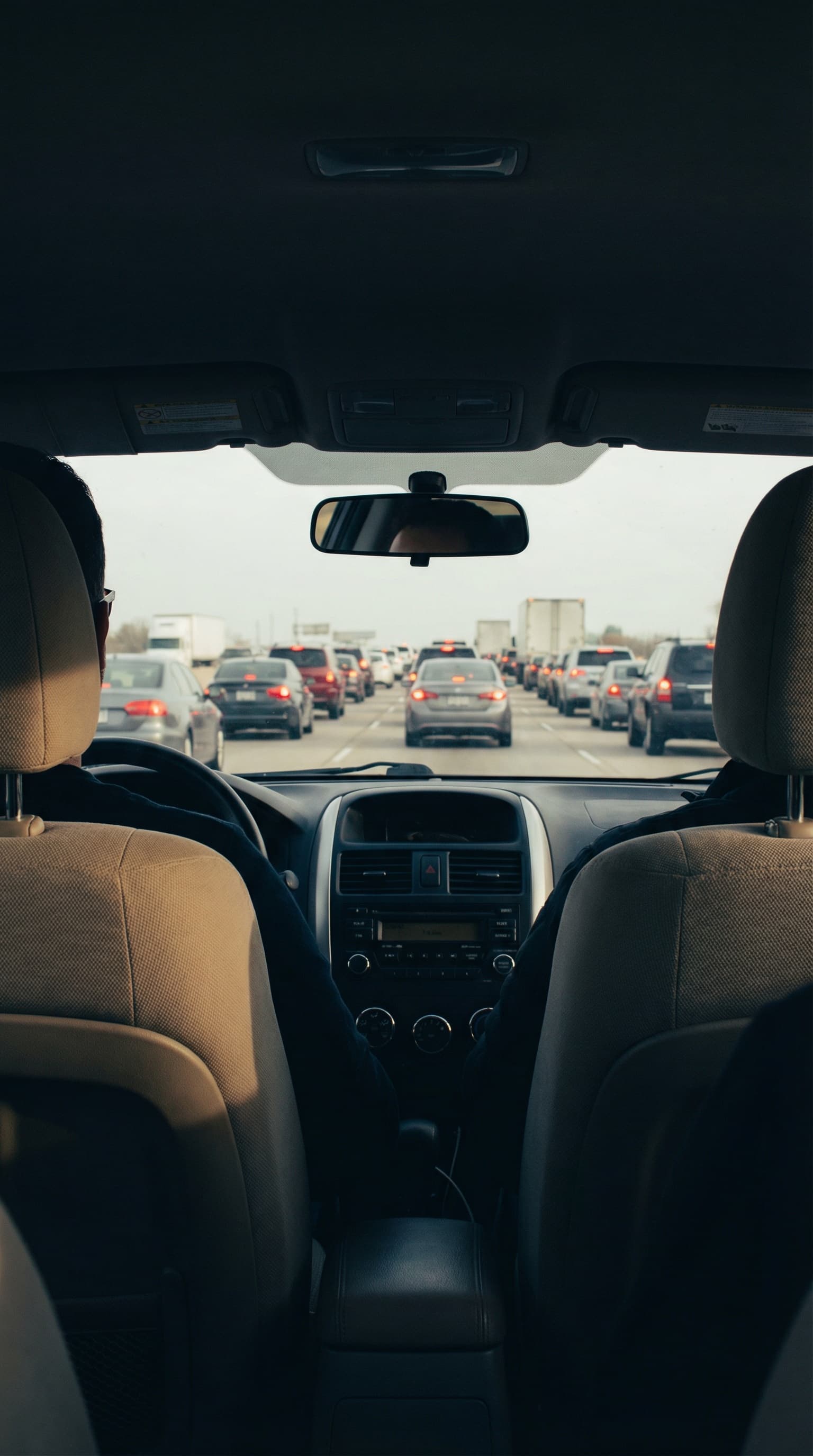
Si usted viaja diariamente por West El Paso, ya conoce la situación. El proyecto de ampliación de la I-10 — que se extiende desde Executive Center Boulevard hacia el oeste a través del área de UTEP y hasta Vinton Road — ha convertido uno de los corredores más transitados de la región en una carrera de obstáculos. Carriles estrechos, barreras de concreto que cambian de posición de la noche a la mañana, zonas de velocidad reducida que la mitad de los conductores ignoran y puntos de incorporación que parecen aparecer de la nada han hecho que este tramo de la interestatal sea significativamente más peligroso para los miles de conductores, camioneros y familias que dependen de él todos los días.
Los choques en zonas de construcción no son simples golpes menores. La combinación de altas velocidades, equipo pesado, patrones de carriles confusos y conductores distraídos crea colisiones que tienden a ser más graves y más complicadas legalmente que un accidente típico en autopista. Si usted o alguien que ama ha resultado herido en la zona de construcción de la I-10 en el West Side, entender sus derechos es el primer paso para obtener la compensación que merece.
Descripción General del Proyecto de Ampliación de la I-10 en West El Paso
El proyecto de ampliación de la I-10 en West El Paso es uno de los mayores esfuerzos de construcción de carreteras que TxDOT ha emprendido en la región en años. El proyecto busca expandir la I-10 de cuatro a seis y ocho carriles en secciones, mejorar las rampas de intercambio y reconstruir varios pasos elevados entre Executive Center Boulevard y el área de Vinton Road cerca de Canutillo.
Los intercambios y salidas afectados incluyen Mesa Street, Sunland Park Drive, Resler Drive, Redd Road, Artcraft Road y el intercambio de Transmountain Road. En varias etapas, los conductores encuentran rampas de acceso desviadas, salidas temporales, espacio de arcén reducido y barreras de concreto colocadas a solo metros de los carriles de circulación. Los límites de velocidad a través de las zonas de trabajo activas se reducen típicamente a 55 o incluso 45 mph, pero el cumplimiento es inconsistente en el mejor de los casos.
Los equipos de construcción frecuentemente trabajan de noche para minimizar los retrasos diurnos, lo que significa que las configuraciones de carriles pueden verse diferentes de una mañana a la siguiente. Los conductores que dependen de la memoria muscular para su viaje diario se encuentran repentinamente frente a un carril cerrado o una barrera desplazada que no esperaban.
Por Qué los Choques en Zonas de Construcción Están Aumentando en la I-10 West
Varios factores hacen que la zona de ampliación de la I-10 sea particularmente peligrosa. Primero, los cambios de carril fuerzan a los conductores a caminos desconocidos donde las distancias de incorporación se acortan y las líneas de visión están bloqueadas por barreras. Segundo, la diferencia de velocidad entre los conductores que obedecen el límite reducido y los que pasan a 70 o 75 mph crea velocidades de cierre peligrosas que no dejan casi tiempo de reacción.
La visibilidad reducida es otro factor importante. Las barreras de concreto, el equipo de construcción y el polvo del trabajo activo de nivelación limitan cuán lejos pueden ver los conductores. De noche, las marcas temporales de carril son más difíciles de seguir, y el resplandor del tráfico en dirección contraria o de las luces de trabajo agrava el problema.
Finalmente, la conducción distraída se amplifica en las zonas de construcción. Los conductores miran sus teléfonos, intentan leer señalización desconocida o miran con curiosidad el equipo y las cuadrillas, apartando los ojos del camino exactamente en el peor momento. Un instante de desatención a velocidad de autopista en un carril estrecho puede tener consecuencias devastadoras.
Tipos de Accidentes en la Zona de Construcción de la I-10 en el West Side
Los choques más comunes en la zona de ampliación de la I-10 siguen patrones predecibles.
Los choques por alcance en cadena ocurren cuando el tráfico se reduce o se detiene repentinamente en un cierre de carril y los vehículos que vienen detrás no logran frenar a tiempo. Estas colisiones en cadena son especialmente peligrosas cuando hay camiones comerciales involucrados porque un tractocamión de 80,000 libras no puede detenerse tan rápidamente como un automóvil de pasajeros.
Las colisiones laterales ocurren en los puntos de incorporación donde dos carriles se fusionan en uno. Los conductores compiten por posición en espacios reducidos, y los carriles estrechos no dejan casi margen de error. Una ligera desviación hacia la barrera o el vehículo adyacente puede resultar en un impacto lateral grave a velocidad de autopista.
Los incidentes entre trabajadores y vehículos se encuentran entre los más devastadores. Los trabajadores de construcción que operan cerca del tráfico en movimiento son vulnerables a los vehículos que invaden la zona de trabajo. Estos accidentes frecuentemente resultan en lesiones catastróficas o fatalidades para los trabajadores y pueden involucrar cuestiones de responsabilidad complejas entre el conductor, la empresa constructora y TxDOT.
Los choques contra objetos fijos como barreras, equipo de construcción o postes de señalización ocurren cuando los conductores pierden el control en los espacios reducidos de la zona de trabajo o se desvían para evitar otro vehículo.
Responsabilidad en Accidentes de Zonas de Construcción
Determinar quién tiene la culpa de un choque en la zona de construcción de la I-10 rara vez es sencillo. Múltiples partes pueden compartir la responsabilidad dependiendo de las circunstancias.
El conductor negligente es el demandado más obvio. Exceso de velocidad, seguir muy de cerca, conducción distraída y no obedecer las señales de la zona de construcción son todas formas de negligencia del conductor. Si otro automovilista causó su choque por conducción descuidada, usted tiene derecho a presentar un reclamo por accidente de auto contra ellos.
TxDOT y el contratista de construcción también pueden tener responsabilidad si la zona de trabajo fue diseñada, señalizada o mantenida incorrectamente. Advertencias de cambio de carril faltantes o confusas, barreras inadecuadas, escombros dejados en los carriles y zonas de trabajo mal iluminadas pueden constituir negligencia. Los reclamos contra agencias gubernamentales como TxDOT están sujetos a la Ley de Reclamos por Agravio de Texas, que impone un requisito de notificación de seis meses y límites en ciertos daños.
Cuando hay camiones comerciales involucrados, la empresa de transporte y el conductor pueden ser responsables. Los camiones grandes necesitan significativamente más distancia de frenado, y un semirremolque completamente cargado viajando por una zona de construcción a velocidad excesiva es una receta para una colisión catastrófica.
Si usted fue un trabajador de construcción lesionado en el sitio de trabajo, su caso puede involucrar tanto un reclamo de compensación laboral como un reclamo por negligencia de terceros contra el conductor u otro contratista. Los casos de lesiones en el lugar de trabajo en zonas de construcción activas requieren un abogado que entienda la interacción entre estos marcos legales superpuestos.
Cómo Protegerse al Conducir por la Zona de Construcción de la I-10
Usted no puede controlar lo que hacen otros conductores, pero puede reducir su propio riesgo con algunos pasos prácticos.
Reduzca la velocidad y manténgase alerta. Obedezca los límites de velocidad publicados en la zona de construcción aunque otros conductores no lo hagan. La velocidad reducida le da más tiempo para reaccionar ante cambios repentinos de carril, tráfico detenido y obstáculos inesperados.
Aumente su distancia de seguimiento. Deje al menos cuatro a cinco segundos de espacio entre su vehículo y el que va adelante. En una zona de construcción con carriles estrechos y sin arcén, necesita espacio adicional para detenerse de forma segura.
Evite cambiar de carril cuando sea posible. Elija su carril temprano y manténgase en él. Cada cambio de carril en una zona de construcción introduce riesgo, especialmente cuando las barreras limitan su capacidad de ver vehículos en carriles adyacentes.
No use su teléfono. La ley de Texas ya prohíbe enviar mensajes de texto mientras conduce, y las zonas de construcción demandan toda su atención. Deje el teléfono y mantenga ambas manos en el volante.
Esté atento a los trabajadores y el equipo. Las cuadrillas de construcción pueden estar operando cerca de los carriles de circulación, especialmente durante turnos nocturnos. Reduzca aún más la velocidad cuando vea trabajadores, señaleros o equipo cerca del camino.
¿Tuvo un Choque en la Zona de Construcción de la I-10 en el West Side? Hable con Nosotros
Los accidentes en zonas de construcción en la I-10 West involucran cuestiones de responsabilidad complicadas, plazos estrictos para reclamos gubernamentales y compañías de seguros que buscarán cualquier excusa para minimizar su pago. Usted no debería tener que navegar eso solo mientras se recupera de sus lesiones.
En Lovett & Murray, hemos pasado más de 30 años representando a víctimas de accidentes en El Paso, el oeste de Texas y el sur de Nuevo México. Sabemos cómo investigar choques en zonas de construcción, identificar a cada parte responsable y luchar por la compensación completa que nuestros clientes merecen. Nuestro equipo trabaja por contingencia — usted no paga nada a menos que ganemos su caso.
Contacte a Lovett & Murray hoy para una consulta gratuita y sin compromiso. Llámenos al 915-757-9999 o comuníquese en línea. Mientras más pronto actúe, más fácil será preservar la evidencia crítica de la zona de construcción antes de que cambie nuevamente.
Vea nuestros artículos con más frecuencia en Google.