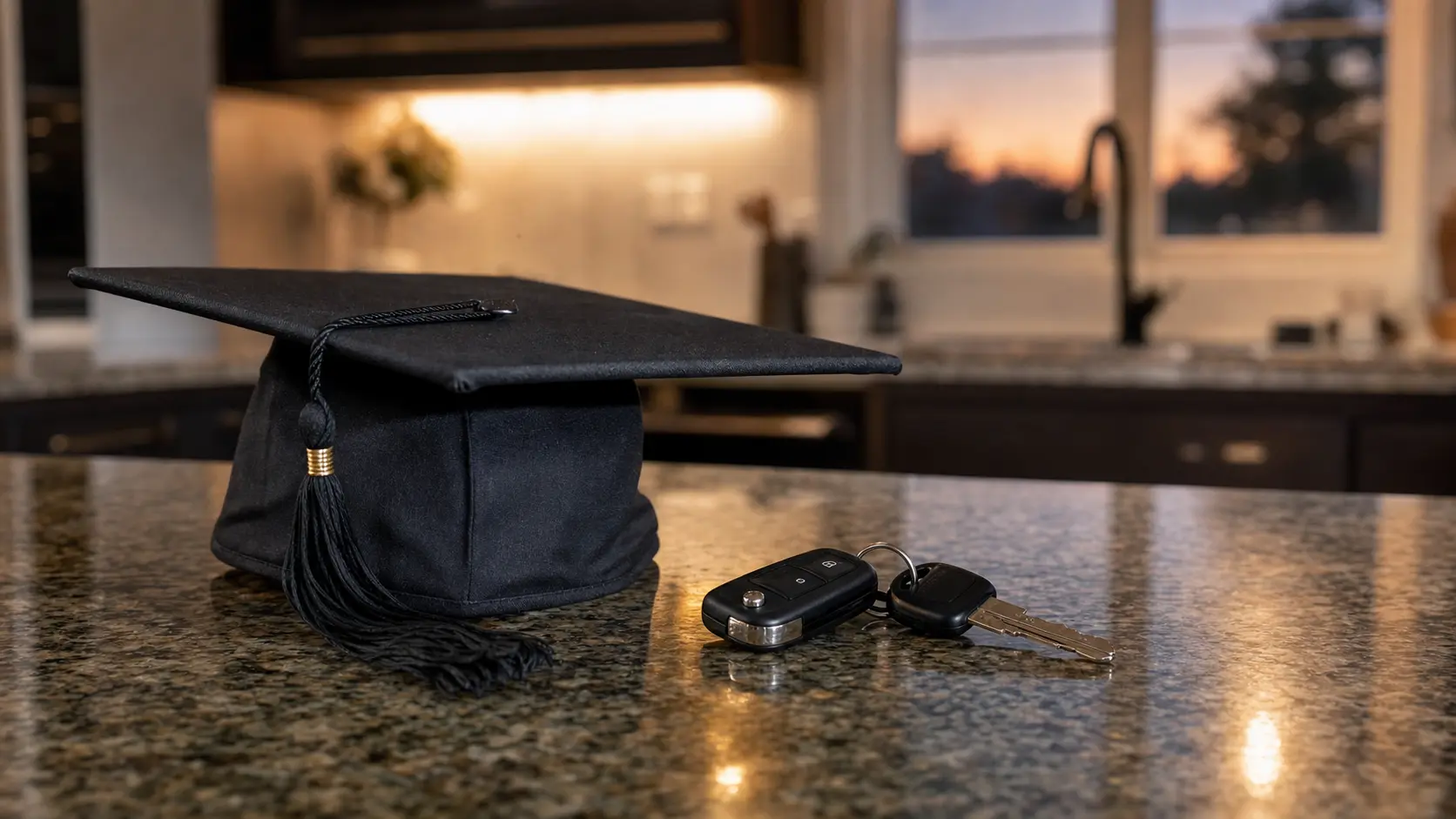
Cada junio, las preparatorias de El Paso gradúan a miles de estudiantes. Coronado, Eastlake, Franklin, Bowie, Andress, Hanks y el resto del distrito despiden a los estudiantes con diplomas en una mano e invitaciones a fiestas en la otra. La mayoría de esas fiestas terminan sin incidentes. Algunas terminan con un conductor adolescente que sale visiblemente intoxicado de una casa en el Upper Valley o el este de El Paso, sube a la I-10 o a Loop 375, y cambia vidas.
Para las víctimas de ese choque, la pregunta es más grande que cuánto bebió el conductor adolescente. La pregunta es quién puso la bebida en la mano del adolescente. La ley de Texas proporciona respuestas, y los padres que organizaron esa fiesta a menudo son parte de la respuesta.
Lo que Cubre la Responsabilidad del Anfitrión Social en Texas
Texas es inusual entre los estados por lo estrechamente que aplica la responsabilidad del anfitrión social para el servicio de alcohol de adulto a adulto. Los adultos que sirven alcohol a otros adultos generalmente no son responsables en Texas, incluso si el invitado luego causa daño. El estado ha rechazado doctrinas amplias del anfitrión social que otros estados han adoptado.
Pero Texas trata el alcohol proporcionado a menores de manera muy diferente. La Sección 2.02(b) del Código de Bebidas Alcohólicas de Texas impone responsabilidad civil a cualquier persona que "con negligencia criminal... sirva, venda o de otra manera proporcione una bebida alcohólica" a un menor cuando el consumo de ese menor cause la lesión subyacente. La disposición completa crea un camino claro para que las víctimas se recuperen del anfitrión adulto cuya casa y suministros permitieron la bebida menor de edad.
Las piezas encajan en los casos de fiestas de graduación:
- La Sección 106.06 de Texas hace que sea un delito proporcionar alcohol a cualquier persona menor de 21 años
- La Sección 2.02(b) hace que la misma conducta sea civilmente accionable cuando conduce a daño
- Combinadas, las leyes exponen a los anfitriones adultos tanto al enjuiciamiento penal como a las demandas civiles
El anfitrión adulto no necesita haber entregado físicamente la botella al adolescente. Permitir que el alcohol sea consumido por menores en la propiedad del anfitrión, proporcionar conscientemente acceso a un gabinete de licores sin cerrar, o servir alcohol en un evento al que asisten menores, todo puede respaldar la responsabilidad.
Patrones Comunes de Fiestas de Graduación que Producen Demandas
Varios patrones recurrentes aparecen en los casos de fiestas de graduación en El Paso.
Padres organizando en el patio trasero. Los padres acuerdan supervisar una fiesta de graduación, suministrar bebidas no alcohólicas, pero hacen la vista gorda a los adolescentes que beben licor traído de casa. Cuando un adolescente se va intoxicado y choca, los padres enfrentan responsabilidad.
El hermano mayor o familiar compra. Un hermano mayor, hermana o primo que cumplió 21 años compra alcohol para el graduado y sus amigos. El familiar mayor enfrenta tanto cargos penales como exposición civil.
Fiestas en hoteles y Airbnb. Los adolescentes alquilan una habitación o una propiedad de alquiler a corto plazo para una fiesta no supervisada. El arrendatario, cuyo nombre está en la reserva, y cualquier adulto que ayudó a facilitar, puede enfrentar responsabilidad. Los dueños de la propiedad también pueden estar involucrados dependiendo de lo que sabían.
Casa abierta con permiso implícito. Los padres salen por la noche sabiendo que ocurrirá una "pequeña reunión". La reunión crece. Aparece el alcohol. Un adolescente choca en el camino a casa. La ausencia de los padres no los protege cuando sabían o debían haber sabido lo que estaba sucediendo.
Lugares mixtos. Las fiestas que se mueven entre una casa privada y un lugar público como un restaurante o bar pueden producir responsabilidad superpuesta del anfitrión social y del establecimiento contra múltiples demandados.
Para el marco civil relacionado cuando los bares y restaurantes están involucrados, nuestra descripción general de las leyes de DWI de Texas y la responsabilidad de los establecimientos cubre el camino comercial paralelo.
Lo Que los Demandantes Deben Probar en un Caso de Anfitrión Social en Texas
Un reclamo bajo la Sección 2.02(b) del Código de Bebidas Alcohólicas de Texas requiere que el demandante demuestre:
- El demandado sirvió, vendió o de otra manera proporcionó una bebida alcohólica
- A una persona menor de 21 años
- Con negligencia criminal
- El consumo de alcohol por parte del menor causó o contribuyó a las lesiones
"Negligencia criminal" bajo la Sección 6.03 del Código Penal de Texas significa un riesgo sustancial e injustificable del cual el actor debería haber sido consciente, pero no lo percibió. En los casos de fiestas de graduación, los padres que conscientemente permitieron el consumo de alcohol por menores en su propiedad típicamente cumplen con este estándar.
La parte lesionada no necesita probar que el demandado sabía que el menor específico luego conduciría. La conexión entre proporcionar alcohol y el choque posterior es suficiente. Los tribunales de Texas han aplicado repetidamente esta regla a fiestas de graduación, fiestas de baile de graduación y eventos similares.
Daños Disponibles para las Víctimas
Cuando un adolescente que bebió en una fiesta de graduación causa un choque, las víctimas y sus familias pueden buscar la gama completa de daños por lesiones personales de Texas contra múltiples demandados.
Contra el conductor adolescente:
- Gastos médicos, pasados y futuros
- Salarios perdidos y capacidad de ingresos perdida
- Dolor y sufrimiento
- Angustia mental
- Daños materiales
- Daños punitivos por negligencia grave
Contra los padres anfitriones sociales:
- Las mismas categorías, a veces buscadas conjuntamente con el conductor adolescente
- A menudo respaldadas por pólizas de seguro de propietarios, que pueden cubrir ciertos actos negligentes
- Daños punitivos donde la conducta del anfitrión fue particularmente atroz
Contra los padres del conductor adolescente bajo entrega negligente:
- Si los padres permitieron al adolescente conducir sabiendo que había estado bebiendo
- Vea nuestra cobertura de los choques de conductores adolescentes y los 100 Días Más Mortales para el marco de responsabilidad más amplio
Contra el comprador o proveedor mayor:
- El familiar o amigo que compró el alcohol puede ser nombrado como demandado
- Sus bienes personales y cualquier seguro pueden ser alcanzables
En casos fatales, la ley de muerte injusta de Texas prevé la recuperación de la familia sobreviviente más allá de lo que cualquier demandado individual pueda pagar.
Cómo Se Investigan los Casos
Construir un caso de fiesta de graduación requiere actuar rápidamente para preservar evidencia que no sobrevivirá mucho tiempo.
- Publicaciones en redes sociales que documentan la fiesta, los asistentes, el consumo de alcohol y la línea de tiempo. Estas a menudo se eliminan en cuestión de horas después de un incidente grave
- Registros telefónicos y mensajes de texto que muestran invitaciones, viajes de suministro y comunicaciones posteriores a la fiesta
- Declaraciones de testigos de otros asistentes antes de que contraten a sus propios abogados
- Fotografías de la escena de la fiesta, botellas vacías, el diseño de la casa
- Reportes policiales de la fiesta misma si las fuerzas del orden respondieron, y de la escena del choque
- Resultados toxicológicos de la prueba de sangre del conductor intoxicado
- Recibos y video de vigilancia de cualquier tienda que vendió alcohol a un amigo o hermano mayor
Lovett & Murray envía cartas de preservación dentro de días después de un choque para asegurar la evidencia antes de que desaparezca.
Lo Que los Padres Pueden Hacer para Evitar la Responsabilidad
Para los padres que están pensando en organizar un evento de graduación, las protecciones legales son claras:
- No permita que el alcohol sea consumido por nadie menor de 21 años en su propiedad. Esta es la regla más simple y efectiva
- No deje a los adolescentes sin supervisión durante una fiesta donde podría introducirse alcohol
- Cierre con llave el licor del hogar durante las reuniones
- No organice fiestas "seguras" donde los padres toman las llaves pero permiten beber. La ley de Texas no reconoce esto como una defensa
- Comuníquese con otros padres sobre la política de alcohol antes del evento
- Verifique que cualquier persona que deje la fiesta no esté intoxicada. Llame a servicios de transporte compartido o miembros de la familia si hay alguna duda
Una fiesta de graduación que sigue estas reglas todavía puede ser memorable, y dramáticamente menos probable de terminar en una demanda y cargos penales.
¿Lesionado Después de un Choque de Fiesta de Graduación? Lovett & Murray Está Aquí para Ayudar
Los casos de fiestas de graduación son emocionales, controversiales y a menudo involucran múltiples demandados con diferentes pólizas de seguro y diferentes incentivos. Las víctimas y las familias necesitan representación legal que pueda buscar a cada parte responsable desde el principio, antes de que desaparezca la evidencia y antes de que los padres tengan la oportunidad de coordinar sus historias.
Lovett & Murray ha pasado más de 30 años representando a víctimas de accidentes en todo El Paso, el oeste de Texas y el sur de Nuevo México. Manejamos reclamos por accidentes de auto, casos de conducción ebria, reclamos de responsabilidad del anfitrión social y casos de muerte injusta. Nos movemos rápidamente para preservar la evidencia, coordinarnos con los procedimientos penales y buscar la máxima recuperación contra cada parte responsable.
Trabajamos con honorarios contingentes. Usted no paga nada a menos que recuperemos compensación para usted.
Contacte a Lovett & Murray hoy para una consulta gratuita. Llame al 915-757-9999 o comuníquese en línea. Nuestro equipo bilingüe está listo para luchar por su familia.
Vea nuestros artículos con más frecuencia en Google.