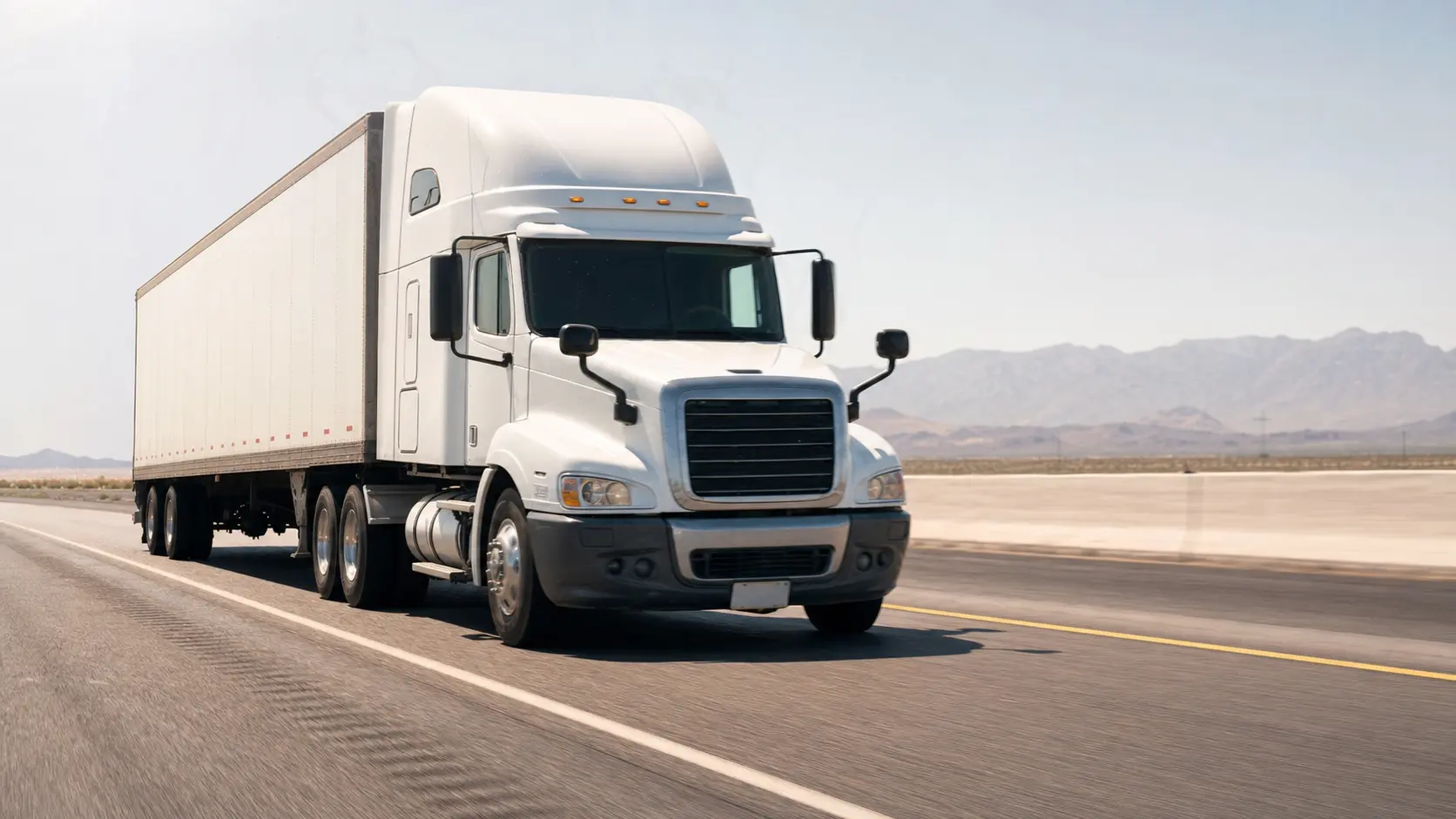
The 550 miles of Interstate 10 from El Paso to San Antonio is one of the busiest freight corridors in the country. In summer, the corridor turns hostile to the equipment moving across it. Tire temperatures climb past 150 degrees. Cooling systems run near maximum capacity. Brake fires light up rest area shoulders. Driver fatigue compounds with heat exhaustion in air conditioning that cannot keep up. When a commercial truck fails on this corridor at 80 mph, the passenger car in the next lane has no safe outcome.
If a commercial truck has hurt your family on I-10 this summer, the legal options are larger than they appear and the evidence preservation clock is shorter than you might think. Acting quickly with an experienced El Paso attorney makes the difference between full recovery and a fraction of what you deserve.
How Summer Heat Drives Commercial Truck Failures
Several distinct failure modes appear more often in summer.
Tire blowouts. The most common cause of summer commercial truck crashes. Heat, sustained speed, and heavy loads combine to break down tire structure. A blown trailer tire at 75 mph can cause loss of control or send debris into surrounding traffic. Our deeper coverage of summer tire blowouts covers the passenger vehicle pattern; commercial cases follow the same physics with much larger consequences.
Cooling system failures. Engine overheating, coolant loss, and radiator failures stall trucks on the shoulder or cause sudden loss of power.
Brake fires. Long downgrades produce brake heat. Trucks descending grades west of Van Horn or east of El Paso sometimes experience brake fires. Drivers who continue operating with hot brakes can experience total brake failure.
Cargo problems. Heat-sensitive cargo failures, particularly refrigeration system failures on perishable loads. Drivers under pressure to maintain temperature can make unsafe decisions about routes and rest.
Hours-of-service violations. Summer heat exhausts drivers faster. Drivers operating beyond their hours-of-service limits to maintain delivery schedules increase the risk of fatigue-related crashes.
Construction zone interaction. Active work zones on I-10 multiply the consequences of any commercial truck failure.
Federal Trucking Regulations
The Federal Motor Carrier Safety Administration regulates almost every aspect of commercial trucking. Key rules include:
Hours of service. Drivers can operate a maximum of 11 hours of driving time within a 14-hour shift, followed by 10 consecutive hours off duty. Weekly limits cap total driving time. Electronic logging devices document compliance.
Vehicle maintenance. Federal regulations require systematic vehicle inspection, repair, and record keeping. Trucks must be inspected before every trip. Defects must be repaired before operation.
Driver qualifications. Commercial driver's licenses, medical certificates, drug and alcohol testing, and ongoing safety records.
Cargo securement. Specific rules for loading, securing, and balancing cargo to prevent shifts that cause loss of control.
Drug and alcohol testing. Pre-employment, random, post-accident, and reasonable suspicion testing requirements. Failed or refused tests have severe consequences.
Violations of these federal rules support negligence per se in civil cases. Plaintiffs can use proof of violation to dramatically simplify their burden at trial.
Common Liable Parties in Commercial Truck Cases
Multiple layers of liability typically apply.
The trucking company. Often the primary defendant. Companies are responsible for hiring qualified drivers, maintaining vehicles, training, and ensuring compliance with FMCSA rules. Vicarious liability holds the company responsible for the driver's negligent acts in most circumstances.
The driver. Personally liable for negligent operation. Drivers carry commercial driver's licenses and bear individual responsibility for safe operation.
The owner-operator versus carrier distinction. Many commercial drivers are owner-operators leased to a carrier. This creates dual liability questions that an experienced attorney must navigate.
Vehicle and parts manufacturers. Defective tires, brake systems, steering components, or other parts support product liability claims.
Cargo owners and brokers. Improper loading, hazardous cargo issues, or pressure to operate unsafely can support claims against shippers and freight brokers.
Maintenance contractors. Third-party companies that performed inspection or repair work can be liable when their negligence contributed to a failure.
Our broader overview of commercial truck accident claims covers the framework in greater detail.
Evidence That Disappears Quickly
Commercial truck cases require fast action because critical evidence can disappear within days.
Electronic logging device data. ELDs record driver hours, location, and movement. Data is typically retained for six months but can be overwritten or deleted. Spoliation letters must be sent immediately.
Telematics and event data recorder information. Speed, braking, steering inputs, and other data from the truck's onboard systems.
Driver qualification files. Driver applications, medical certificates, training records, and disciplinary history.
Maintenance records. Inspection reports, repair invoices, and vehicle maintenance schedules.
Drug and alcohol test results. Post-accident testing results, if conducted.
Driver cell phone records. Texting, calling, or app use at the time of the crash.
Trailer and cargo records. Bills of lading, weight tickets, and shipper information.
Witness contact information. Other drivers, rest stop workers, and police on scene.
Each of these can be lost without a properly executed preservation letter from an attorney within days of the crash.
Insurance Layers in Truck Cases
Commercial trucking insurance is significantly different from personal auto coverage.
Minimum federal coverage. $750,000 minimum for general freight, $1,000,000 for hazardous materials, $5,000,000 for certain bulk hazardous loads.
Typical actual coverage. Most carriers carry $1 million to $5 million in primary liability, plus excess and umbrella coverage that can stack to $10 million or more.
Multiple policies in play. The driver's policy, the trucking company's policy, the trailer owner's policy (when different), and any excess coverage. Cargo insurance is separate from liability coverage.
Self-insured carriers. Some large trucking companies self-insure rather than carry traditional policies. This affects how claims are made and resolved.
An attorney experienced in commercial trucking can identify every applicable layer of coverage. This often produces substantially larger recovery than victims initially understand to be possible.
What to Do After a Commercial Truck Crash
- Get to safety and call 911. Truck crashes often produce serious injuries even when the impact seems modest.
- Photograph everything. The truck cab, the trailer, license plates, USDOT numbers visible on the truck (these identify the carrier), cargo configuration, any visible defects, and the surrounding scene.
- Get the driver and company information. Name, license number, employer name and contact, insurance information.
- Identify witnesses. Other drivers, including any commercial drivers who may have been monitoring radio communication.
- Get medical attention. Even minor-feeling injuries can develop into serious problems.
- Do not give recorded statements to any insurer, including the trucking company's.
- Call an attorney within 24 hours if possible. Trucking companies dispatch investigators immediately. You need someone working on your behalf with equal urgency. Lovett & Murray offers free consultations at 915-757-9999.
Compensation in a Commercial Truck Crash Case
Texas law allows recovery of the full range of damages.
- Past and future medical expenses
- Lost wages and lost earning capacity
- Property damage including vehicle replacement
- Pain and suffering
- Mental anguish
- Loss of consortium for spouses
- Punitive damages in cases of gross negligence
For fatal cases, Texas wrongful death law provides additional recovery categories. Commercial truck cases involving fatalities or catastrophic injuries regularly produce settlements and verdicts in the seven-figure range and beyond when the case is properly investigated and presented.
Injured by a Commercial Truck on I-10? Lovett & Murray Is Here to Help
Commercial truck cases are not standard car accident cases. They involve federal regulations, multiple defendants, multiple insurance policies, and corporate legal teams who arrive at the scene before the tow truck. The right legal representation makes the difference between a fair recovery and the trucking company's first low offer.
Lovett & Murray has spent more than 30 years representing accident victims across El Paso, West Texas, and Southern New Mexico. We handle commercial truck cases, car accidents, wrongful death claims, and product liability cases against tire and equipment manufacturers. We work with accident reconstructionists, FMCSA compliance experts, and medical specialists to build cases that produce real recovery.
We work on a contingency fee. You pay nothing unless we recover compensation for you.
Contact Lovett & Murray today for a free consultation. Call 915-757-9999 or reach out online. Our bilingual team is ready to fight for you and your family.
See our articles more often on Google.