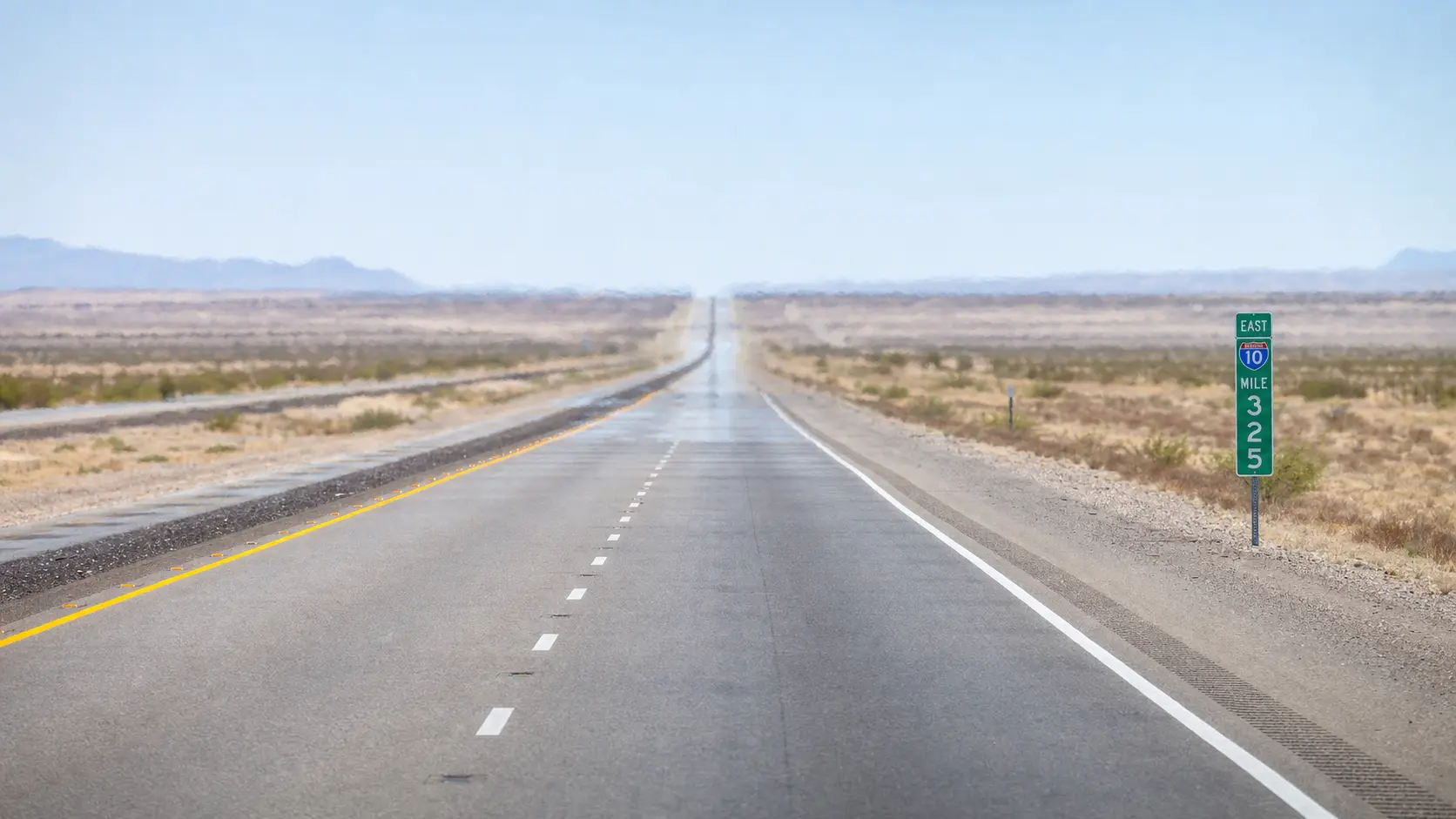
El viaje de El Paso a San Antonio es de 550 millas de Interstate 10 en su mayoría vacía. Van Horn. Kent. Fort Stockton. Ozona. Junction. Horas de matorrales, mesetas distantes y tráfico de alta velocidad en sentido contrario separados por una delgada línea pintada. El verano agrava cada riesgo en esta ruta. El calor castiga las llantas y los motores. El resplandor diurno reduce la visibilidad. La fatiga se instala después de la tercera hora. La mayoría de las familias de El Paso hacen este viaje en algún momento cada verano, ya sea a la costa, a Big Bend, a eventos familiares en el centro de Texas, o para volar desde San Antonio o Austin.
Si un viaje por carretera lo ha puesto en un hospital a horas de casa, las preguntas legales son más difíciles que la mayoría de los casos de choques locales. La distancia complica la preservación de la evidencia. Los testigos fuera del área se dispersan rápidamente. Las compañías de seguros usan la distancia para retrasar y frustrar a los reclamantes. El equipo legal correcto maneja esto desde el primer día.
Por Qué las Rutas de Larga Distancia de la I-10 Son Peligrosas
Varios factores de riesgo se acumulan en la conducción de larga distancia de verano desde El Paso.
Fatiga. Tres o cuatro horas de carretera monótona son suficientes para empujar a la mayoría de los conductores al riesgo de microsueño. Seis horas empujan a la mayoría de los conductores a niveles claros de intoxicación comparables a la conducción ebria.
Velocidad. Texas publica límites de 80 mph en tramos largos de la I-10. Las velocidades reales de viaje frecuentemente superan las 90. Las distancias de frenado a 90 mph son aproximadamente el doble que a 65.
Falla del vehículo relacionada con el calor. Las reventones de llantas, el sobrecalentamiento del motor y las fallas del aire acondicionado todos aumentan en verano. Nuestra cobertura de los reventones de llantas en verano entra en detalle sobre el patrón de llantas específicamente.
Distancia entre servicios. Algunos tramos entre El Paso y San Antonio tienen 60 o más millas entre salidas de servicio completo. Una avería en calor extremo sin cobertura celular es peligrosa en sí misma.
Volumen de camiones comerciales. La I-10 es un corredor principal de carga. Los camiones de dieciocho ruedas constituyen el 30 por ciento o más del tráfico en algunos tramos. Los conductores comerciales fatigados o intoxicados producen una parte desproporcionada de los choques graves.
Zonas de construcción. El ensanchamiento, la repavimentación y el trabajo de puentes en curso a lo largo del corredor crean condiciones variables que sorprenden a los conductores que confiaron en una ruta memorizada.
Vida silvestre. Venados, ganado y ocasionalmente animales más grandes entran en la carretera, particularmente al amanecer y al atardecer.
Patrones Comunes de Choques
Choques de un solo vehículo. Un conductor fatigado se sale de la carretera o golpea la barrera central. Las volcaduras son comunes debido a las velocidades involucradas y la altura de muchas SUV y camionetas.
Colisiones cruzando la mediana. Un conductor cruza la mediana hacia el tráfico que viene en sentido contrario. Estos son a menudo los choques más catastróficos en la I-10, especialmente en tramos sin protección de barrera de cable.
Colisiones traseras en zonas de construcción. Las desaceleraciones repentinas sorprenden a los conductores que pusieron el control de crucero y dejaron de prestar atención completa.
Participación de camiones comerciales. Los camiones que chocan con vehículos de pasajeros producen una parte desproporcionada de los casos de lesiones fatales y catastróficas. Nuestra guía sobre comprender los reclamos por accidentes de camiones cubre los aspectos únicos de estos casos.
Choques múltiples en cadena. Un solo choque desencadenante en un tramo de alta velocidad puede producir reacciones en cadena que involucren cinco o más vehículos, particularmente en condiciones de baja visibilidad.
Choques en áreas de descanso y rampas de salida. Conductores que salen a alta velocidad, conductores que entran desde las áreas de descanso y conductores que maniobran en instalaciones desconocidas.
Ley de Texas sobre la Fatiga del Conductor
Texas no tiene un estatuto específico que haga de la conducción somnolienta un delito separado, pero la conducción fatigada que causa un choque respalda los reclamos estándar de negligencia. El conductor que eligió seguir conduciendo a pesar de la fatiga obvia es responsable del daño previsible.
Evidencia de fatiga. Las declaraciones de los testigos, la reconstrucción del accidente que muestra que no hubo frenado antes del impacto, el tiempo y la distancia recorridos antes del choque, la falta de evidencia de cualquier otra causa y, a veces, las propias declaraciones del conductor, todos respaldan una teoría de fatiga.
Horas de servicio del conductor comercial. Las regulaciones de la Administración Federal de Seguridad de Autotransportes limitan el tiempo al volante de los conductores comerciales y requieren períodos mínimos de descanso. Los datos del dispositivo de registro electrónico documentan el cumplimiento. Una empresa de transporte que empujó a un conductor más allá de los límites legales, falsificó los registros o sabía de violaciones de fatiga puede enfrentar responsabilidad más allá de la cobertura individual del conductor.
Pruebas de drogas y alcohol. Las reglas de licencia de conducir comercial de Texas requieren pruebas en algunas circunstancias de choques. La falta de prueba, los resultados positivos o el rechazo pueden respaldar la negligencia per se.
Asuntos de Seguros para Choques Fuera del Área
Los choques que ocurren lejos de casa plantean cuestiones de seguros que los choques locales no plantean.
Elección de proveedores médicos. Los proveedores médicos de Texas en diferentes ciudades tienen diferentes relaciones con las aseguradoras locales. Un abogado puede guiarlo a proveedores con experiencia en trabajar con casos de lesiones personales.
Seguro fuera del estado. Si vive en El Paso pero fue chocado por un conductor asegurado en otro estado, pueden aplicarse múltiples marcos regulatorios estatales. Las cuestiones de cobertura se vuelven complejas.
Cobertura de auto de alquiler. Si alquiló su vehículo para el viaje, el seguro de la empresa de alquiler, su póliza personal de auto y cualquier cobertura suplementaria de tarjeta de crédito pueden interactuar.
Abogados de fuera del área versus abogados locales. Algunas firmas de fuera del área intentan empujar a los residentes de El Paso a usar abogados distantes. Los abogados locales familiarizados tanto con las carreteras de Texas como con los tribunales donde los casos pueden terminar proporcionan una ventaja significativa.
Qué Hacer Después de un Choque a Larga Distancia
Los principios son familiares, pero la distancia complica la ejecución.
- Llame al 911 y quédese con su vehículo si es seguro. El Departamento de Seguridad Pública de Texas y las unidades del alguacil del condado responden a los choques de la I-10 entre las principales ciudades.
- Documente todo. Fotos de cada vehículo, la escena, la carretera circundante, los marcadores de milla, las condiciones de la carretera, el clima y cualquier lesión visible.
- Obtenga la información de contacto de los testigos. Los testigos de fuera del área son más difíciles de rastrear más tarde. Obtenga los números de teléfono, las placas y cualquier itinerario de viaje que pueda ayudar a localizarlos.
- Note la ubicación exacta. Marcador de milla, salida más cercana, dirección de viaje. Esto importa tanto para la jurisdicción como para la respuesta de emergencia.
- Reciba atención médica de inmediato. Incluso si puede salir conduciendo de la escena, diríjase a una sala de emergencias. La adrenalina oculta lesiones graves durante horas.
- Coordine el transporte a casa. Recogida familiar, transporte compartido desde un aeropuerto regional o un auto de alquiler. Evite conducir largas distancias después de un choque a menos que esté autorizado médicamente.
- Llame a un abogado antes de decidir dónde buscar atención de seguimiento. Un abogado de Texas puede recomendar proveedores con experiencia en casos de lesiones personales en la jurisdicción relevante.
- No dé declaraciones grabadas a ninguna aseguradora antes de consultar a un abogado.
Compensación en un Choque de Viaje de Larga Distancia
La ley de Texas permite la gama completa de daños independientemente de dónde vivan las víctimas.
- Gastos médicos pasados y futuros
- Salarios perdidos y capacidad de ingresos perdida
- Daños materiales incluyendo el reemplazo del vehículo
- Dolor y sufrimiento
- Angustia mental
- Pérdida de consorcio para los cónyuges
- Daños punitivos en casos de negligencia grave
Para casos fatales, la ley de muerte injusta de Texas proporciona recuperación a los cónyuges, hijos y padres sobrevivientes. Los demandantes de fuera del estado pueden buscar la misma recuperación que los residentes de Texas.
¿Lesionado en un Viaje de Verano? Lovett & Murray Está Aquí para Ayudar
Los casos de viajes de larga distancia requieren equipos legales que puedan moverse rápidamente a través de la geografía. La evidencia en la escena de un choque en Van Horn necesita preservarse en horas, no semanas. Los testigos fuera del área necesitan ser localizados antes de que se dispersen. Los datos de la Administración Federal de Seguridad de Autotransportes sobre conductores comerciales necesitan ser solicitados antes de que expiren. El equipo correcto maneja todo esto desde una llamada telefónica.
Lovett & Murray ha pasado más de 30 años representando a víctimas de accidentes en todo El Paso, el oeste de Texas y el sur de Nuevo México, incluyendo cientos de choques que ocurrieron a horas de casa. Manejamos accidentes de auto, colisiones de camiones, casos de conducción somnolienta y reclamos por muerte injusta. Trabajamos con reconstructores de accidentes, expertos en fatiga e investigadores con licencia de Texas en todo el estado.
Trabajamos con honorarios contingentes. Usted no paga nada a menos que recuperemos compensación para usted.
Contacte a Lovett & Murray hoy para una consulta gratuita. Llame al 915-757-9999 o comuníquese en línea. Nuestro equipo bilingüe está listo para ayudar a su familia donde sea que haya ocurrido el choque.
Vea nuestros artículos con más frecuencia en Google.